Guía de recursos para inmigrantes del Instituto Infantil

Children’s Institute is committed to ensuring that all our community —regardless of immigration status—have access to the essential resources, guidance, safety, and support they need during these challenging times. In moments of fear and uncertainty, we stand firmly with our immigrant children, families, and neighbors, and our commitment to them remains steadfast.

We will continue providing mental health services, early childhood programs, and health navigation support to all those in need. In addition, we will share timely updates, resources, and announcements on our website and other platforms to support immigrant families in our programs. Please be sure to check for updates regularly.

Click links below for resources and information.

Preparedness:

Know Your Rights:

Legal Assistance:

Mental Health:

Additional Resources:

CalMatters: Simposio sobre salud mental

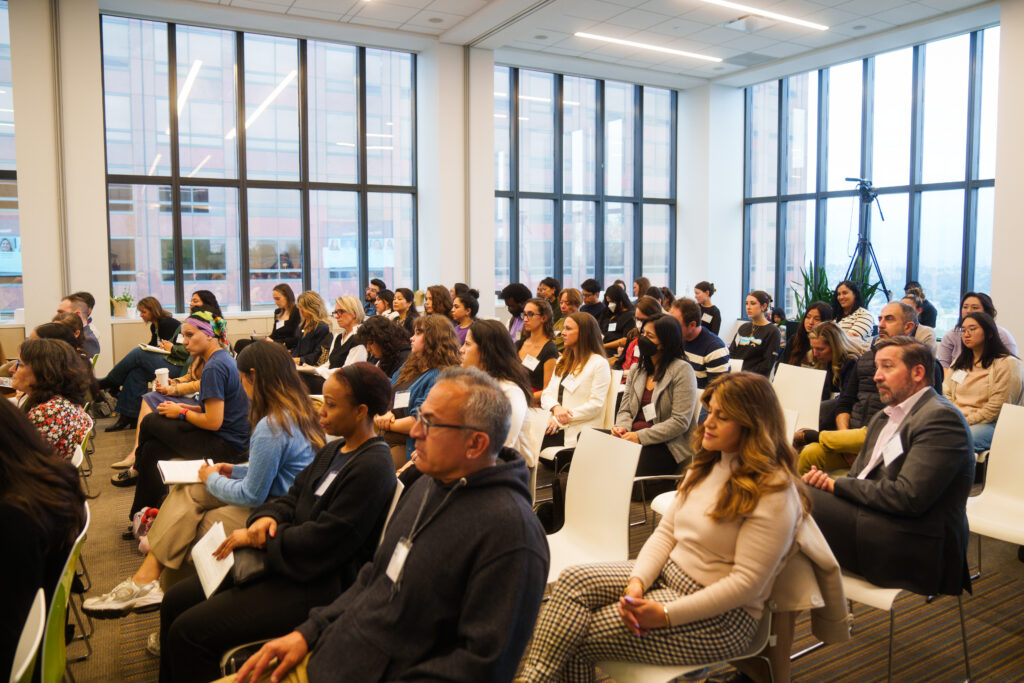
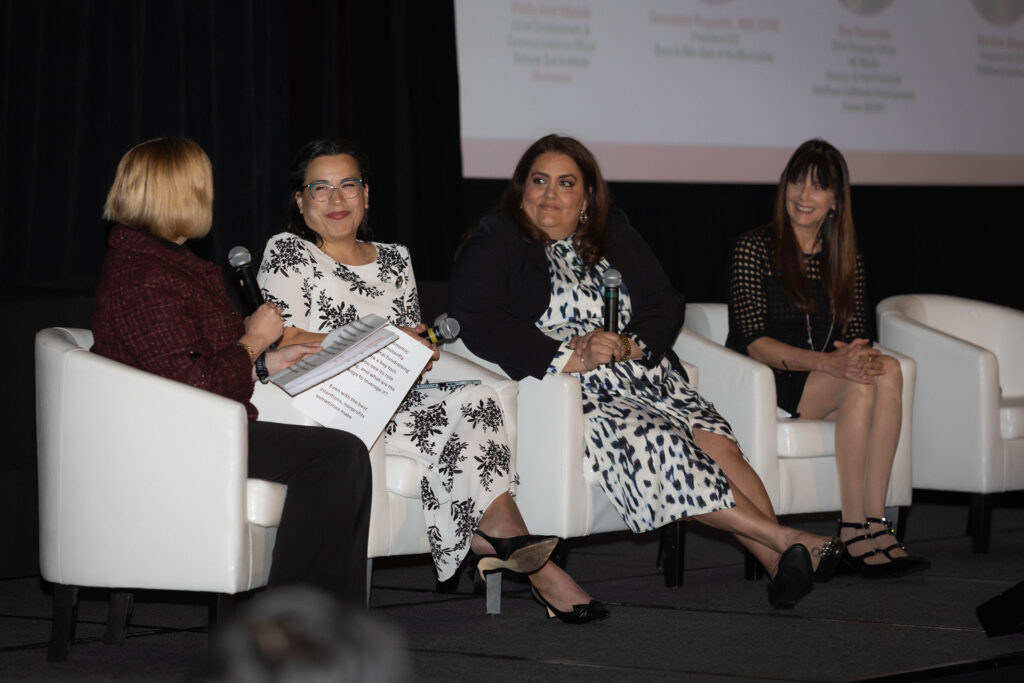
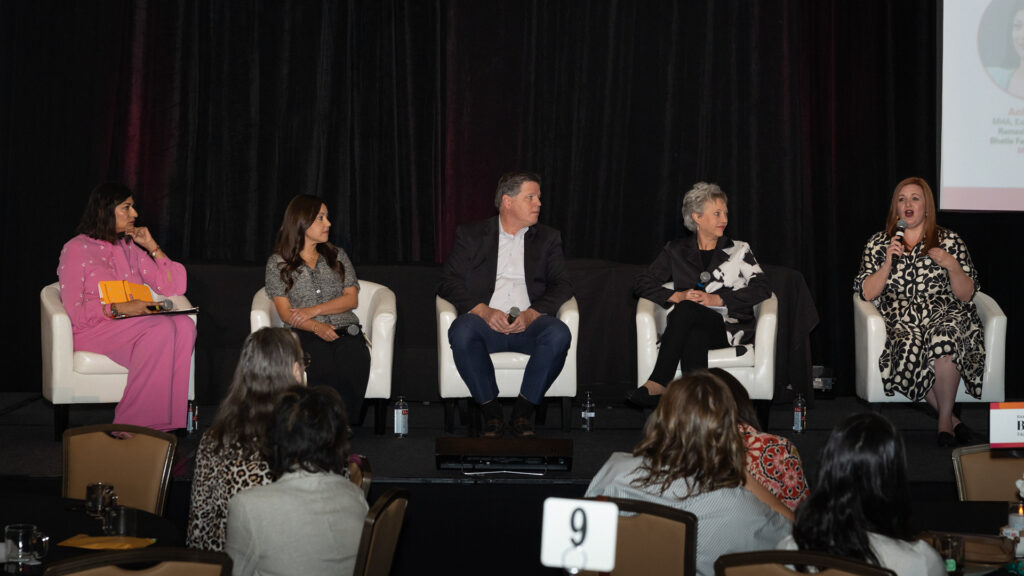
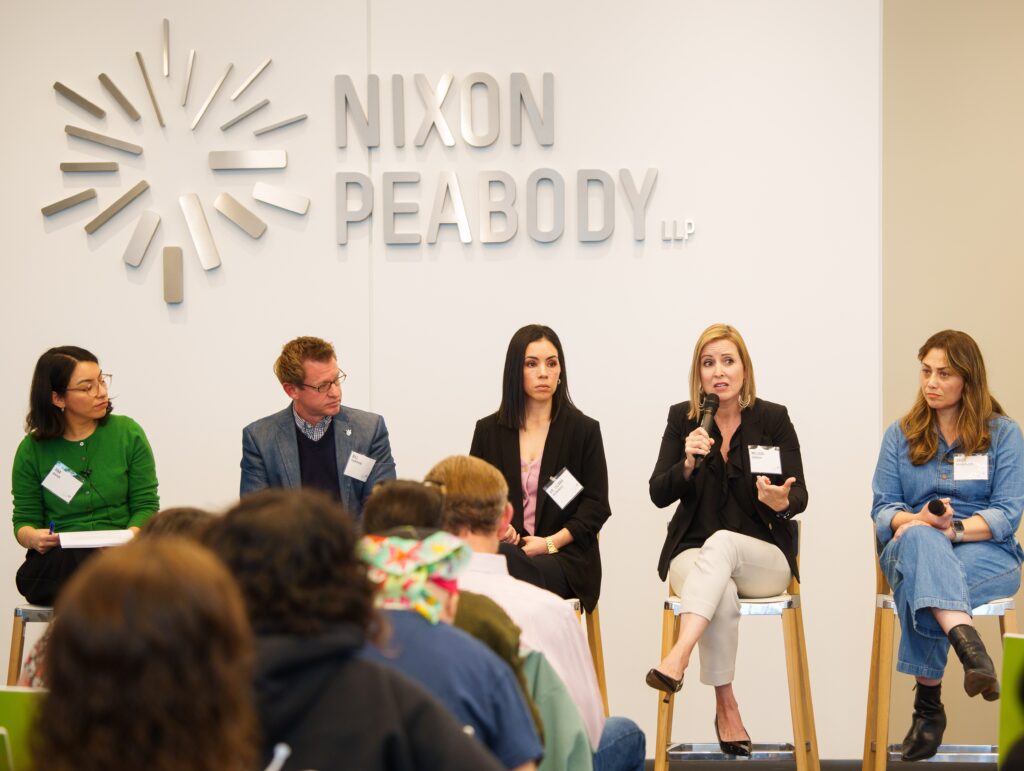
Last week, CalMatters hosted a compelling Mental Health Symposium focused on the urgent state of youth mental health and the effectiveness of California’s investments in this space. Leaders in the field came together for a series of rich discussions, offering insights, research findings and various perspectives.

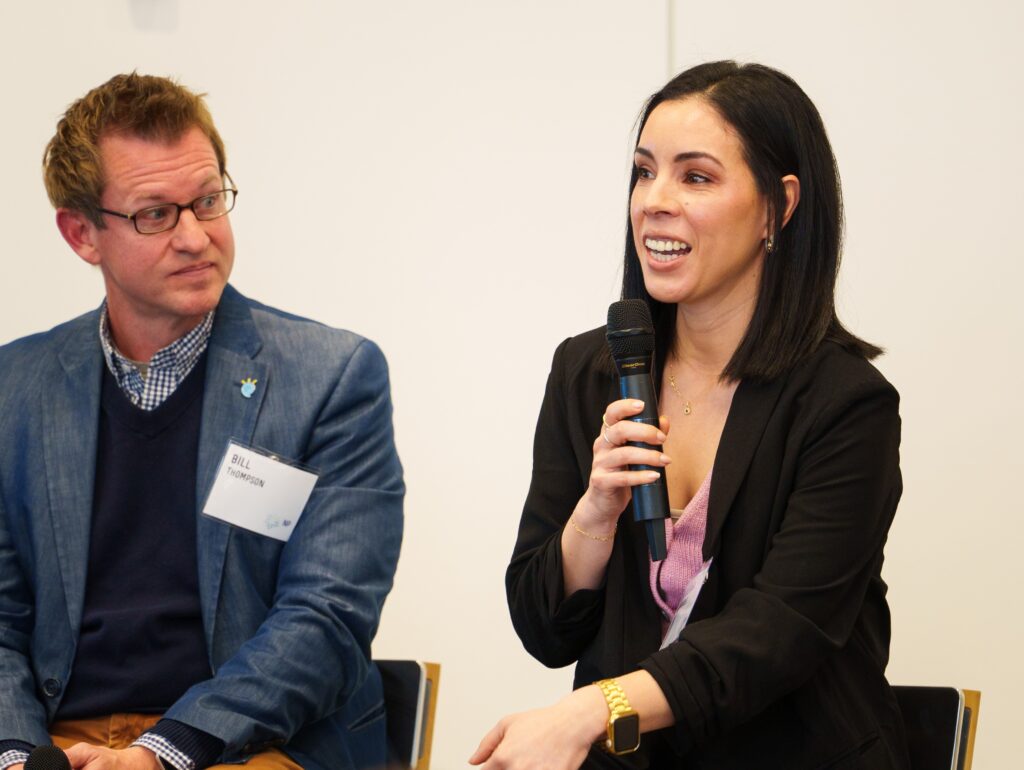
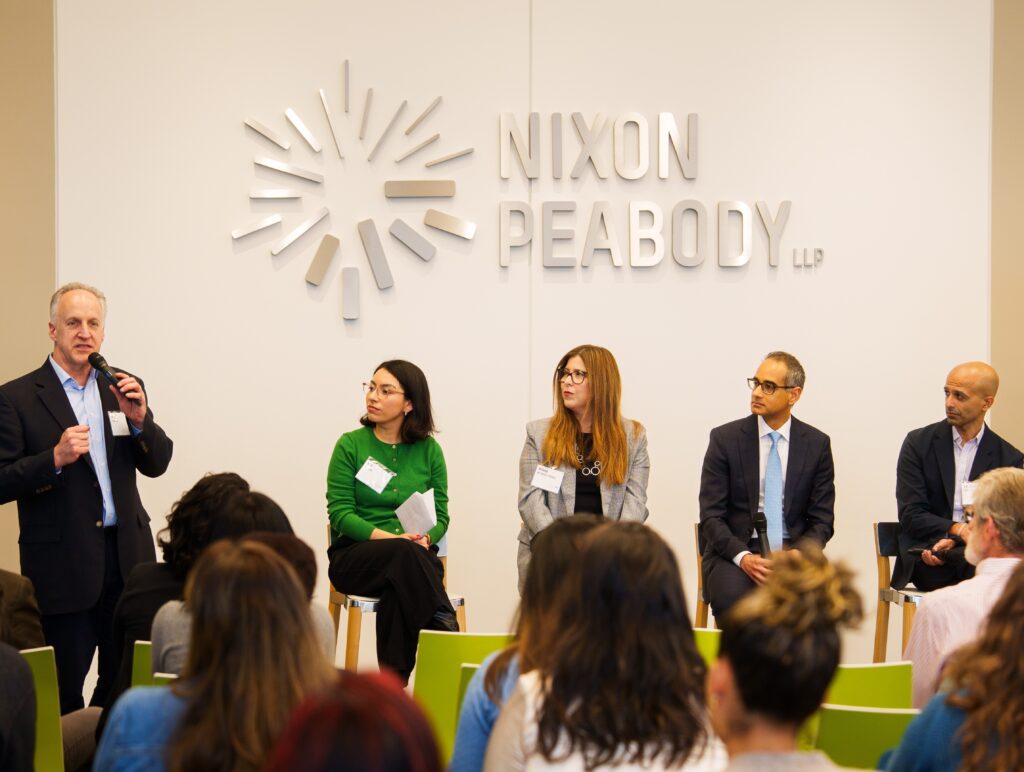
We were proud to see our own Dr. Liliana Hernandez, Director of School-Aged Behavioral Health, share the stage with an inspiring group of experts including Melissa Hannah (United Parents), Bill Thompson (Young Storytellers), Erica Villalpando (Pasadena Unified School District), Sarah LaBrie (author of No One Gets to Fall Apart), Dr. Sameer Amin (L.A. Care Health Plan), Dr. Sohil Sud (CYBHI), Myrna Reynoso Torres (LACOE), Elodie Mailliet Storm, Neil Chase (CalMatters) and the moderator, Ana B. Ibarra (CalMatters).

Discussion 1: How Are the Kids Doing?

Dr. Hernandez joined the opening panel, “How Are the Kids Doing?”, where she addressed some of the top concerns impacting youth mental health today including access to care. With growing waitlists, insurance barriers and an alarming workforce shortage, Dr. Hernandez emphasized how these systemic issues create real consequences for families seeking help. Her insights highlighted the urgency for policy change and increased support for behavioral health providers in schools and in communities.

Melissa Hannah reinforced this urgency, speaking to the mounting stress parents face, especially in rural areas where services are scarce. For many families, meeting basic needs like rent and food takes precedence, making mental health seem like a luxury, when in reality, it’s a necessity.

What We Learned from the Pandemic

Panelist Erica Villalpando shared how the pandemic and California’s wildfires served as a “training ground” for schools to provide mental health services under extreme circumstances. Virtual care became a lifeline and the lesson was clear: schools can’t just offer services. “They must meet families where they are and address basic needs before mental health support can be truly effective.”

The Power of Storytelling

Bill Thompson offered a powerful look into how children’s stories changed post-pandemic. An analysis of 7,000 student-written stories revealed a stark decline in happy endings and a rise in sad endings and themes about technology/social media, social justice and systemic inequality. His message was that children are absorbing and reflecting the emotional toll of today’s world and it’s through storytelling that you can get a glimpse of this reality.

Discussion 2: California’s Investments – Are They Working?

In the second panel discussion, Dr. Sameer Amin and Dr. Sohil Sud joined others to evaluate the State of California’s investments in youth mental health. While progress has been made in awareness and education, major gaps remain in early intervention, staffing and infrastructure. One major point was that we must stop waiting for crises to occur before acting – as a collective group.

Where Do We Go from Here?

Despite the challenges, the event closed on a hopeful note. As many panelists emphasized – community support is a beacon of resilience and hope. We must come together to support the most underserved children, families and communities and perhaps the most inspiring message of all? Our young people remain hopeful.

The youth of today have a strong sense of fairness, deep care for the environment and advocacy for equity, which should give us reason to believe that meaningful change is not only possible, it’s already in motion.

We are deeply honored to have had Dr. Liliana Hernandez represent our organization in such a deep and meaningful conversation. And, as an organization that prioritizes mental health & wellbeing, we are committed to continuing the work of supporting youth mental health every step of the way.

Mental Health Symposium Videos:

Panel 1 Discussion: Mental Health Symposium: “How are the kids?”

Panel 2 Discussion: Mental Health Symposium: “Are California’s investments working?”

Photos by Julz Hotz for CalMatters.


El viaje de esperanza de Helen a través de las visitas domiciliarias

When Helen found out she was pregnant in 2018, she was overwhelmed by uncertainty. At risk of homelessness and struggling with substance abuse, she joined an in-person treatment program. That same day, her father passed away.

“I had this baby, and in that moment, I was in a sober living home by myself, away from family, trying to better myself.”

At the hospital after giving birth, Helen found out about the free Healthy Families America home visiting program at Children’s Institute in Long Beach. She signed up and started getting personal in-home support from Natalia, a home visitor from Children’s Institute.

At the time, she was not only grieving the loss of her father but also fighting to regain custody of her two other children. “I had my first-born at the same hospital, and I wasn’t enrolled in a home visiting program at that time. What if I would have enrolled in a program then? I would have had somebody,” said Helen.

Natalia was a support system through Helen’s sobriety journey, reminding her to celebrate the small wins. Helen said she could open up to Natalia after treatment. “She is never judgmental and always sees the bigger picture,” said Helen. “My favorite part is her coming and lending her ear. I am able to express myself, I have deep conversations with her.”

Even though she’s not a first-time mother, Helen said the program has taught her a lot. “When Natalia goes over things with me about my baby that she’s doing right, it boosts my confidence as a mother. The program has helped me keep my composure as a wondering and worried mother. Anything and everything that related to my worries, I can always resort to Natalia.”

Helen is glad she learned about bonding with her baby and about child development. “I have been reading to her since she was a couple months old. I started opening up hard books for her. Now, she turns the page. It’s a deep connection with her of exploring visually and hearing.”

Natalia has also provided various resources to Helen, such as a playpen, wipes, diapers, and toys for the baby, “She never comes empty-handed to the visits,” Helen laughed.

Helen is grateful for this new chapter in her life and for Natalia. “I really appreciate she is right there with me every step of the way. She is rooting me on, through thick and thin. She saw my change within the year.”

For more information on our Home Visitation Program – Contact Us.


Spotlight: Early Childhood

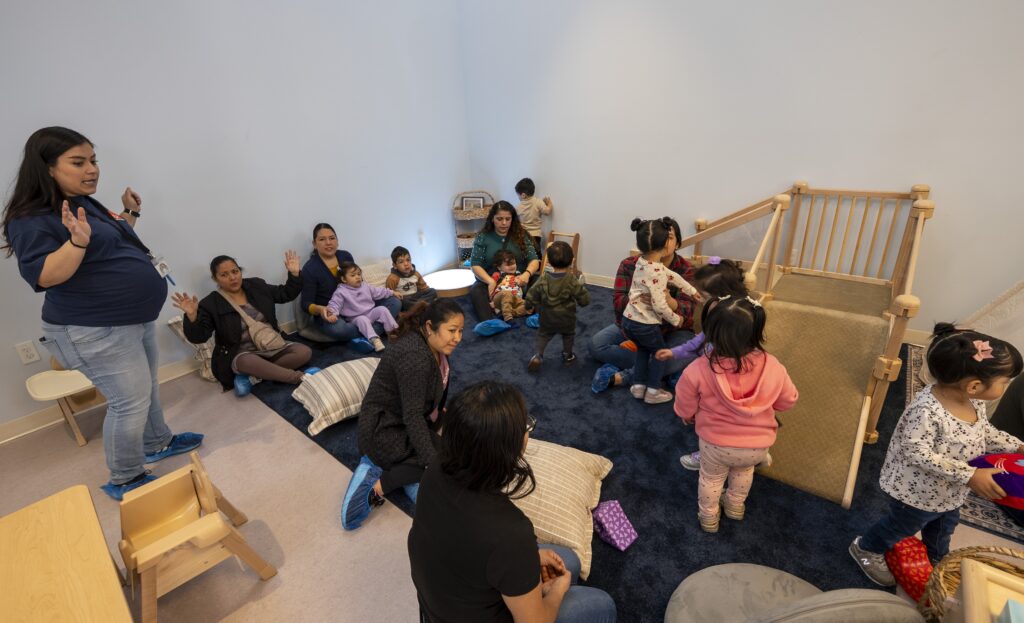
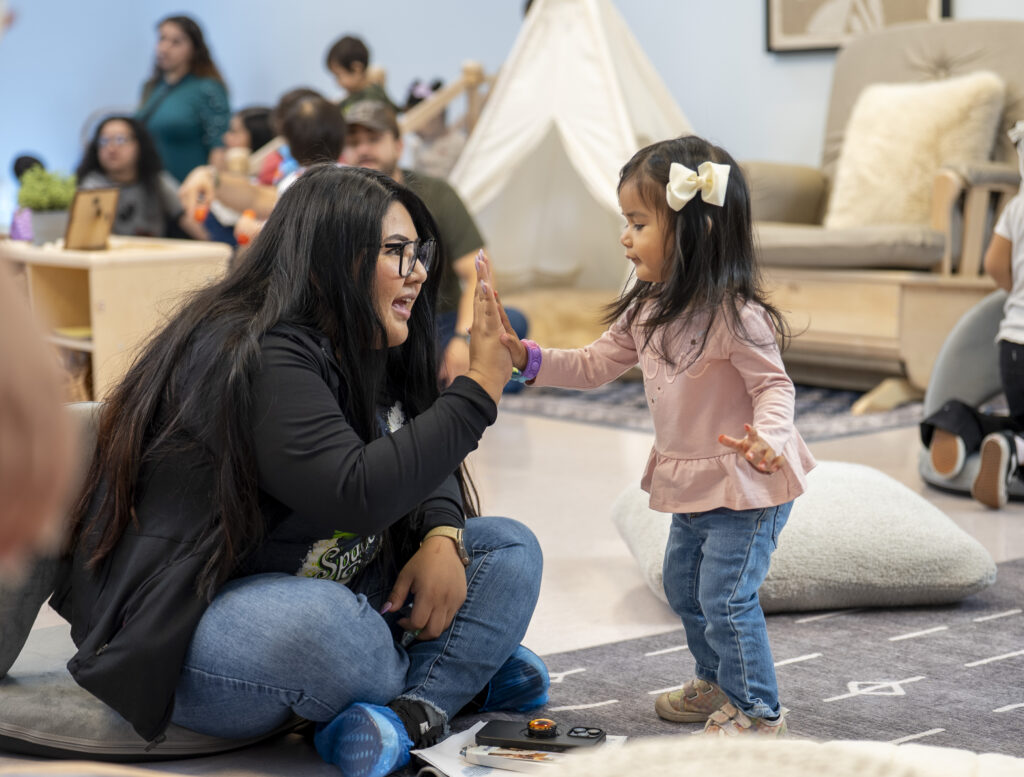
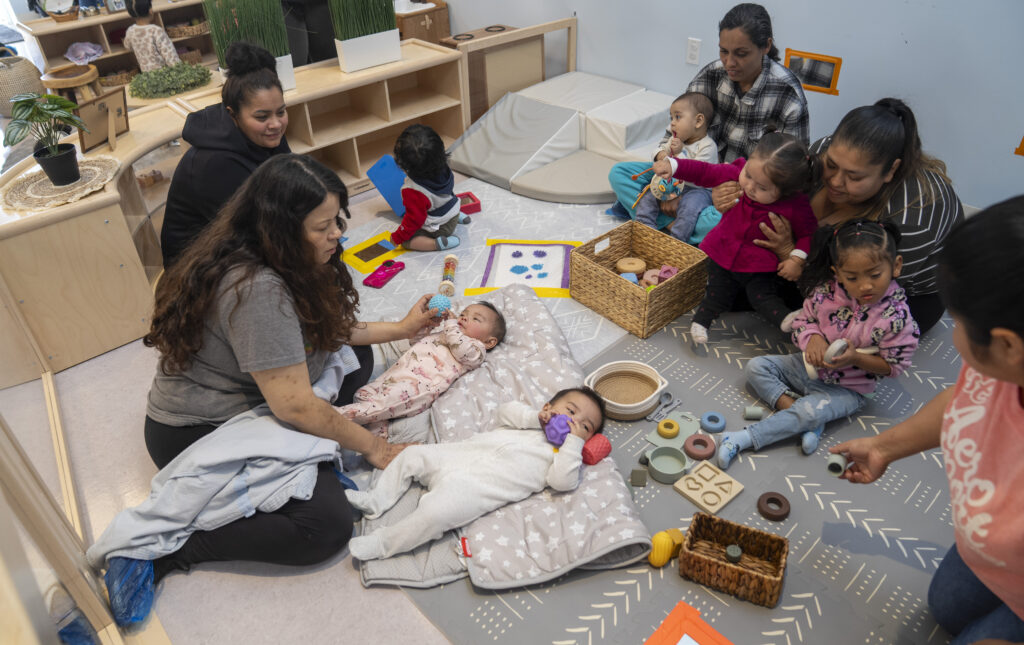
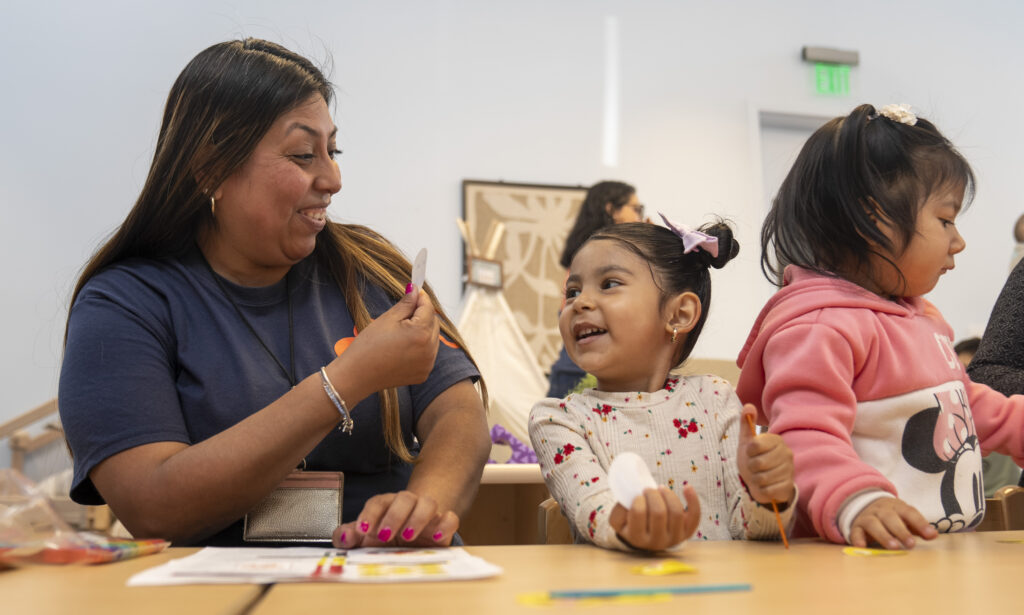
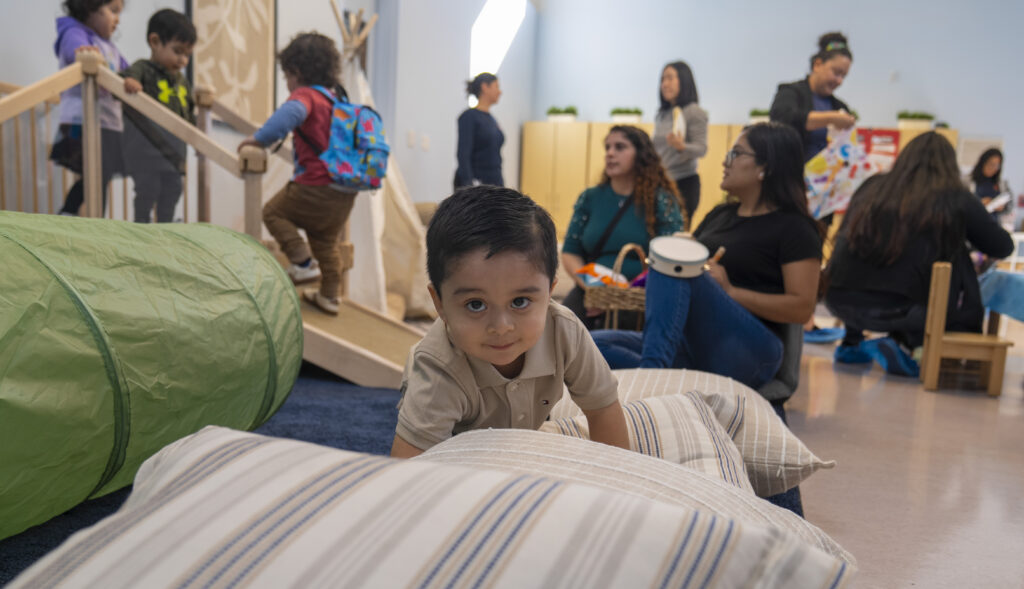
We’ll be spotlighting one of our programs each month and in March, we focused on Early Childhood. We want to acknowledge not only our Early Childhood programs – from Head Start, Early Head Start to our Home-Based services, but also our incredible staff who change the lives of each child, day in and day out.

Here are highlights of the work we do for our youngest ones:

For more information and to enroll in our early childhood programs and services, check out our website here: Early Childhood – Ages 0-5


Martine Speaks at LA Business Journal’s Nonprofit Awards

On March 20, 2025, the Los Angeles Business Journal hosted their annual Nonprofit & Corporate Citizenship Awards at the Biltmore Hotel in Downtown Los Angeles, celebrating the outstanding contributions of nonprofits and corporate citizens across our community. ​

We were so enthused to have Martine Singer, our President & CEO, as a featured panelist in the “Managing & Fundraising in Evolving Times” session where she shared insights into navigating the complexities of nonprofit leadership during challenging times. The insights were eye eye-opening and the dialogue amongst panelists were thoughtful and engaging.

Events like these highlight the importance of collaboration and shared knowledge in strengthening our communities. In addition to nonprofit leaders like Martine, there were several executives from corporations – including Amazon, the Los Angeles Chargers, City National Bank, and many more represented on stage.

Kudos to Martine and all the dedicated leaders who are driving positive change.

What a pleasure it was to meet and share the stage with: GEOVANNY RAGSDALE, MIB, CFRE, Bee Rarewala, Molly Ann Woods, CFRE, David Ambroz, Heather Birdsall, Milton Dellossier, Nakeya T. Fields, LCSW, Michael Flood, Marcia Mayeda, CAWA, Lauren Plichta!

Deskside Chat with the Board: Megan Smith

Thank you for visiting us today, Megan, and thank you for joining our board of trustees. We are thrilled to have you here and are excited for our communities to get to know you better. To start off, could you please tell us about yourself, highlighting key milestones throughout your life, both personally and professionally, that have shaped who you are today?

I was born and raised in Grand Rapids Michigan, which is the second largest city in Michigan. It feels more like a small town, though, compared to Los Angeles. I’m the youngest of four girls and grew up in Michigan but left when I was 18 years old to attend Duke University in North Carolina, where I studied history and public policy.

After graduation, I moved to New York City to attend law school. I would say that moving to New York was one of my first major milestones. Living there radically changed the perception of who I was in the world. In Michigan, I grew up in a homogenous community. It was a wonderful place to grow up because it was very safe – all my friends, their parents and even our grandparents knew each other. We were the fourth generation in our church and in the community I grew up in. Similarly, Duke was also set in a smallish city.

In New York, I was exposed to so many different people from all over the world, interacting with them day-to-day in the sea of eight million people. Being an extrovert, I loved being around people, but I also loved the anonymity of living in a big city. It breaks the self-centeredness that follows teens and people in their early 20s. It also opened my eyes to my privilege in a way that I did not fully grasp. There’s a great level set in New York. It doesn’t matter if you live in a penthouse or in a cardboard box, you’re all stepping on the same trash and taking the same subway. For me, it helped me grow – through meeting people and interacting with people who were very unlike me, which I didn’t have the exposure to as a child growing up in Michigan.

After New York, I moved to Nashville, Tennessee, for a federal clerkship, which was a great opportunity career-wise. At the same time, it felt like moving back to Michigan. Nashville was a segregated city in terms of class and privilege and I quickly decided that that was not the place I wanted to raise my kids. I really wanted to raise my future family in a place where they would be exposed to different ideas and different people and I wanted to practice where I could grow as a person, which is how I ended up in Los Angeles in 2015.

What aspect of our North Star specifically resonates with you and why? (North Star = we believe in the abundant potential of all children & families in achieving educational success and emotional well-being, which build pathways to economic mobility and lifelong health)

There are two things that speak to me:

  • Children’s Institute’s focus on safety. I’m a parent of a three-year-old son so creating safety is very important for me so that he can be who he wants to be while being safe.
  • The emphasis on creating opportunities. It’s spectacular seeing a child come into their own and to grow into their own personality. What I look for is the opportunity for children to be exposed to new things and to discover their passions while cultivating the talents that they were naturally born with.

What I’ve learned is that those things are very hard to do – no matter where you live – and I say that coming from a place of privilege. Not all families have those privileges and what makes Children’s Institute’s North Star special is that it’s meant to achieve both. Children’s Institute provides children, parents and families a safe place where they are encouraged to discover new things and cultivate those talents and goals within a safe community. These are things that without Children’s Institute, may not be achievable.

You have a beautiful 3-year-old son. What about motherhood inspires you to give back to your community?

One of the things that surprised me about being a mother is how other parents have each other’s backs. You become “a member of the club.” Once becoming a parent, people become much more compassionate and there’s a different level of understanding for other human beings including for other people’s children who are crying on the airplane or the mom who needs to go to the bathroom but needs her kid to be watched at the park while she looks for the nearest bathroom.

It sounds like a cliché, but it really does take a village to raise a child. What inspires me about Children’s Institute is that it’s the embodiment of the village cliché. Children’s Institute says, here’s our village, come meet us at 10200 Success Ave and we’ll help provide you with your needs.

What do you wish for all families with young children in Los Angeles?

My wish for every child in Los Angeles is that they have a safe place to grow into who they are and to find themselves. That’s what sets apart adults who are successful members of their community – people who know themselves and are comfortable in their own skin.

This starts in childhood but it grows into successful adulthood.

Your law firm, O’Melveny, has very generously provided pro bono legal services to Children’s Institute for decades. Is it important for you that your employer supports the work of many worthy nonprofits?

It’s very important to me that O’Melveny provides pro bono services and that it is committed to service. I’m so proud to work at O’Melveny, where I’ve been a partner for a few years and worked there for a total of 15.

O’Melveny takes very seriously the commitment to community service. Not just providing pro bono legal work but also, encouraging its staff to be a part of the communities they work and live in.

As one of the oldest law firms in Los Angeles and working with over 200 nonprofits, we also dedicate a ton of time, money and resources to provide pro bono services and partaking in community service to make Los Angeles a better place to live.

Is there anything else you’d like to share with us?

I’m so grateful to be a part of Children’s Institute. My intention here is to be fully committed to my role as a board member but I also want to involve my family in this organization. I want my young son to be involved in Children’s Institute as a child of Los Angeles and reap the benefits of the safety and community that this place brings – from Watts, Echo Park and to the rest of Los Angeles.

Advocacy Day in Sacramento

Our Government Relations & Advocacy team went to Sacramento for Advocacy Day, standing alongside members of the California Alliance of Children and Family Services (CACFS). CACFS is a statewide association of over 160 nonprofit agencies dedicated to advancing the well-being of children, youth and families. Our mission is to ensure that children and families – continue to receive the resources, education and emotional support they need to thrive. In a time of federal funding cuts, our work has never been more critical.

“Every year I am honored to represent our diverse and resilient LA communities, bringing the voices of nearly 30,000 children and families we serve to our State Capitol on Advocacy Day. As a resident and advocate in our communities, now more than ever, California must continue to invest in foster youth, mental health in public schools and community organizations that ensure young people are happy, healthy and housed. Grateful for the leadership and engagement of our state legislature,” said Terry Kim, our Director of Government Relations & Advocacy.

One of the most crucial pieces of legislation we championed was SB 531, authored by Senator Susan Rubio. This bill would require all students in grades 1-12 to receive age-appropriate mental health education, equipping them with tools to support their well-being and navigate life’s challenges. “Youth in our programs emphasize with staff how critical trauma-informed school culture is to their well-being. This legislation contributes to that culture. It’s exciting to engage with a bill like SB 531 that invests in school-based mental health strategies that foster positive learning and success in life,” said Kelsey Gordon, Government Relations & Advocacy Associate.

The urgency of this issue is highlighted by a 30% increase in California’s young adult mortality rate from 2019 to 2023, as noted in a recent Legislative Analyst Office report. Beyond mental health education, we also advocated for budget and legislative items including:

  • A $50 million budget request to safeguard community-based organizations that serve 9,700 youth impacted by the foster family agency insurance crisis. Without immediate support, these essential programs face devastating disruptions.
  • AB 276 (Bennet): Addressing out-of-state background check delays, which have worsened workforce shortages in residential programs. Staffing shortfalls mean vulnerable children may not receive the care they need.
  • AB 534 (Schiavo) & AB 1314 (Ahrens): Providing housing access for former foster youth and justice-involved youth through transitional housing placement programs. Stable housing is fundamental to breaking cycles of instability and ensuring that young people can transition into adulthood with dignity and support.

We urge lawmakers to support these collective budget and legislative priorities to protect foster youth, school-based mental health, and housing services. Our children’s future depends on it.


Las 10 conclusiones principales sobre la primera infancia extraídas de SXSW EDU

La semana pasada, tuve la oportunidad de vivir la experiencia SXSW EDU desde ambos lados del escenario: como ponente y como asistente. Al sumergirme en numerosas sesiones y mesas redondas, todas ellas centradas en el futuro de la educación, me sentí inspirado y, sinceramente, impresionado. El calibre de los ponentes y la profundidad de los debates confirmaron lo importante que es la educación para dar forma al futuro.

La inteligencia artificial (IA) dominó la conversación en casi todas las categorías (casi la mitad de las sesiones ofrecidas trataron sobre IA y/o tecnología educativa). En ocasiones, parecía más una feria CES que una conferencia sobre educación. Sin embargo, algo que destacó fue la nueva perspectiva sobre la educación infantil, un tema que, incluso en este ámbito, se entrelazó con los debates sobre la IA. Una de las sesiones incluso exploró «La IA en la educación infantil», lo que, en mi opinión, refleja la rápida introducción y proliferación de la IA y la tecnología en general.

Un momento destacado se produjo durante una mesa redonda dirigida por Michelle Kang, directora ejecutiva de la NAEYC ( Asociación Nacional para la Educación de Niños Pequeños). La sesión suscitó un apasionado debate sobre la situación actual y futura de la educación infantil. A partir de esas conversaciones, estas son mis diez conclusiones principales de SXSW EDU, concretamente en lo que se refiere a la primera infancia (desde el nacimiento hasta los cinco años):

1. La educación infantil está ganando terreno.

Durante años, la educación infantil ha quedado relegada a un segundo plano («casi inexistente», como señalaron otros asistentes) en SXSW EDU, pero este año se ha producido un cambio. Su creciente presencia en la conferencia refleja un mayor reconocimiento de la importancia de este campo, quizá como reconocimiento de que los primeros cinco años de vida son los más críticos en el desarrollo de un niño.

2. «Se necesita un pueblo»

La frase «se necesita un pueblo para criar a un niño» sigue siendo tan relevante como siempre. La educación va más allá del aula: cada interacción que tiene un niño, ya sea con un médico, un familiar, un líder religioso o un miembro de la comunidad, desempeña un papel en su desarrollo y crecimiento. Esta perspectiva refuerza la idea de que el aprendizaje no se detiene cuando termina la escuela. Es un proceso continuo moldeado por muchas personas y experiencias diferentes.

3. La educación infantil es una cuestión nacional, no partidista.

Michelle Kang hizo hincapié en que la educación infantil debe considerarse una parte integral de todo el sistema educativo, y no una entidad separada. Es necesario un movimiento nacional que desafíe las ideas anticuadas para garantizar que se dé prioridad al aprendizaje temprano (en las políticas educativas, los informes, la financiación, etc.) y que no haya margen para politizar la cuestión.

4. Los educadores de la primera infancia merecen mejores salarios y más respeto.

Los educadores que trabajan con niños de 0 a 5 años suelen estar infravalorados y, con frecuencia, se les confunde con niñeras en lugar de profesionales cualificados. Esta percepción contribuye a los bajos salarios y a la escasez de mano de obra. Abordar esta cuestión no es solo una cuestión de equidad, sino también de mejorar los resultados de los alumnos.

5. La educación temprana como estrategia contra la pobreza

Invertir en la educación infantil es una de las estrategias más eficaces a largo plazo para combatir la pobreza. Las investigaciones demuestran que una base sólida en los primeros años de vida puede reducir significativamente la probabilidad de desempleo, encarcelamiento y problemas de salud en el futuro (por nombrar solo algunos ejemplos).

6. El dilema de la financiación: las STEM en la educación temprana

Invertir en educación STEM en la enseñanza secundaria genera un retorno inmediato de la inversión, lo que la hace atractiva para los financiadores. Sin embargo, las investigaciones sugieren que introducir conceptos básicos de STEM en una etapa temprana de la vida de los niños (incluso durante la etapa preescolar) desempeña un papel crucial en el éxito académico futuro. A pesar de estos datos, la educación STEM temprana sigue estando muy infrafinanciada.

7. El poder de la narración en la defensa de causas

Una de las formas más eficaces de impulsar el cambio en la educación temprana es amplificar y compartir historias de éxito. Todos los problemas de la comunidad pueden, de alguna manera, remontarse a la educación infantil, por lo que es una cuestión relevante para todos. Comunicar estas conexiones es esencial para obtener el apoyo y la inversión del público.

8. La salud mental debe ser una prioridad.

Aunque cada vez hay más conciencia sobre la importancia de la salud mental en la educación infantil, los recursos siguen siendo escasos, especialmente en las zonas rurales. Además, algunos profesionales de la salud mental dudan en trabajar en entornos de educación infantil debido a cuestiones de responsabilidad civil, por lo que es importante abordar estas deficiencias (al tiempo que se desestigmatiza la salud mental y el aprendizaje socioemocional) para apoyar el bienestar emocional de nuestros alumnos más jóvenes. En Children's Institute lo entendemos, por lo que invertimos en apoyo a la salud mental para todos nuestros programas de educación infantil, tanto en el aula como para la familia.

9. Acortar la distancia entre los responsables políticos y los educadores

Una frustración recurrente entre los asistentes fue la desconexión entre los educadores en las aulas y los responsables políticos y administradores. Los profesores sobre el terreno a menudo se sienten ignorados cuando se elaboran políticas sin tener en cuenta la realidad de su experiencia diaria. Garantizar que los educadores tengan voz y voto es fundamental para crear un diálogo significativo. Aquí, en California, el 18 de marzo se celebrará en Sacramento el Head Start Advocacy Day, donde todas las partes tendrán la oportunidad de compartir sus puntos de vista.

10. ¿La IA en la educación infantil?

La idea de integrar la IA en la educación infantil es recibida con entusiasmo y escepticismo a partes iguales. Si bien la IA tiene el potencial de personalizar las experiencias de aprendizaje, especialmente para los alumnos con neurodiversidad y los que aprenden idiomas, su implementación debe guiarse por la ética. Es imprescindible establecer un marco para el uso responsable de la IA en la educación infantil a medida que la tecnología sigue evolucionando.

SXSW EDU 2024 dejó una cosa clara: la educación infantil es fundamental para ofrecer el mejor comienzo para el éxito futuro. Con una mayor conciencia de su impacto, el campo parece estar cobrando impulso, pero siguen existiendo retos importantes. Abordar cuestiones como la financiación, la remuneración, la salud mental y la armonización de las políticas requerirá una labor continua de promoción, inversión e innovación. Si la conferencia de este año sirve de indicio, se trata de un debate que no podemos ignorar. Para obtener más información sobre nuestro enfoque de la educación infantil, visite www.childrensinstitute.org/early-childhood/.
 

Building Hope in the Community Through Community Health Workers

How Children’s Institute’s Community Public Health Workers, Emiliana Gallardo and Alejandra Gonzalez-Rivas, Made a Difference for Laura Sandoval

In a moment of despair, Laura Sandoval found herself living in her car with her three grandchildren after being evicted from her home. But with the intervention of two compassionate Community Health Workers, Emiliana Gallardo and Alejandra Gonzalez-Rivas, her story took a turn for the better.

Laura first learned about the Community Public Health Team (CPHT) when a team member knocked on her door during outreach efforts. Despite her overwhelming circumstances, she found hope in their offer to help. She recalls how she broke down during her first interaction with the team, releasing emotions she had held back for too long. This emotional release marked the beginning of her journey toward stability and healing.

Addressing both immediate needs and long-term challenges

The CPHT provided Laura with critical support, connecting her to resources she desperately needed. They helped her secure financial assistance for rent and deposits, preventing her from falling deeper into homelessness. They also arranged therapy sessions, offering her emotional relief and mental health support during an extremely trying time. For Laura, this assistance transformed her life. Her story is one of resilience and the impact of thoughtful, community-centered care. Emiliana and Alejandra provided not only practical help but also emotional support, treating Laura and her family with dignity and respect. “They were like my guardian angels,” Laura said, reflecting on their timely intervention.

Through referrals to various organizations, Laura gained access to furniture, essential household items like a microwave and air conditioning, and ongoing care management through Enhanced Care Management (ECM). These resources allowed her to create a stable and nurturing environment for her grandchildren. Her journey underscores the importance of programs like CPHT in bridging gaps for underserved communities. By addressing both immediate needs and long-term challenges, Emiliana and Alejandra enabled Laura to move forward with confidence. Today, Laura is settled in her new home, and she expresses profound gratitude for the team’s unwavering support.

Laura’s story serves as a testament to the power of community health initiatives and the individuals who dedicate themselves to creating positive change. Emiliana and Alejandra’s efforts not only transformed one life but also set an example of what compassionate care can achieve.

Interview by: James K Miller Jr., Department of Public Health


Construyendo Esperanza en la Comunidad

En un momento de desesperación, Laura Sandoval vivía en su automóvil con sus tres nietos tras ser desalojada de su hogar. Sin embargo, gracias a la intervención de dos trabajadoras comunitarias de salud compasivas, Emiliana Gallardo y Alejandra Gonzalez-Rivas, su historia dio un giro hacia algo mejor.

Laura conoció al Equipo Comunitario de Salud Pública (CPHT, por sus siglas en inglés) cuando una integrante del equipo tocó a su puerta durante labores de alcance comunitario. A pesar de sus circunstancias abrumadoras, encontró esperanza en su oferta de ayuda. Recuerda cómo rompió en llanto durante su primera interacción con el equipo, liberando emociones que había reprimido durante mucho tiempo. Este momento marcó el comienzo de su camino hacia la estabilidad y la recuperación.

El CPHT brindó a Laura el apoyo crítico que necesitaba desesperadamente. La ayudaron a obtener asistencia financiera para el alquiler y los depósitos, evitando que cayera aún más en la falta de vivienda. También organizaron sesiones de terapia que le ofrecieron alivio emocional y apoyo para su salud mental en un momento extremadamente difícil. Para Laura, esta ayuda transformó su vida.

Su historia es de resiliencia y del impacto del cuidado comunitario centrado en las personas. Emiliana y Alejandra no solo ofrecieron ayuda práctica, sino también apoyo emocional, tratando a Laura y su familia con dignidad y respeto. “Fueron como mis ángeles guardianes”, dijo Laura al reflexionar sobre su oportuna intervención.

A través de referencias a varias organizaciones, Laura accedió a muebles, artículos esenciales para el hogar como un microondas y aire acondicionado, y manejo de cuidado continuo a través del programa ECM (Enhanced Care Management). Estos recursos le permitieron crear un entorno estable y acogedor para sus nietos.

Su historia destaca la importancia de programas como CPHT para cerrar brechas en comunidades desatendidas. Al abordar tanto las necesidades inmediatas como los desafíos a largo plazo, Emiliana y Alejandra ayudaron a Laura a avanzar con confianza. Hoy, Laura está establecida en su nuevo hogar y expresa una profunda gratitud por el apoyo constante del equipo.

La historia de Laura es un testimonio del poder de las iniciativas de salud comunitaria y de las personas que se dedican a crear un cambio positivo. Los esfuerzos de Emiliana y Alejandra no solo transformaron una vida, sino que también establecieron un ejemplo de lo que puede lograr el cuidado compasivo.

James K Miller Jr., Department of Public Health

Recursos comunitarios y apoyo para las víctimas de los incendios forestales en Los Ángeles

Estimada comunidad:

Esperamos que usted y sus seres queridos se mantengan a salvo durante estos tiempos difíciles, ya que nuestros corazones están con cada angelino que se ha visto afectado por los devastadores incendios forestales. Realmente no tenemos palabras para describir el dolor y el sufrimiento que tantos angelinos estamos enfrentando y, aunque somos conscientes de que la reparación y la reconstrucción llevarán mucho tiempo, esperamos seguir apoyando a nuestros amigos y comunidades durante todo el proceso.

Manténgase a salvo y consulte esta lista de recursos para mantenerse informado, obtener la ayuda que usted y sus seres queridos necesitan, así como para ayudar a quienes le rodean. Seamos fuertes en Los Ángeles.

Ampliación del plazo para la presentación de la declaración de la renta para las víctimas de los incendios forestales:

El IRS y el estado de California concederán una prórroga fiscal a las personas y empresas afectadas por los devastadores incendios forestales. Para obtener más información sobre este anuncio, lea aquí.

Seguridad física y necesidades:

Lista completa de recursos: ayuda mutua

Lista de bancos de alimentos en el condado de Los Ángeles

Necesidades emocionales y de salud mental:

988 Lifeline – Línea de ayuda para prevenir el suicidio

Recursos de salud mental para desastres naturales – LACDMH

Marque el 1-800-985-5990 – Línea directa para casos de desastre

Consejos para sobrevivientes del estrés (inglés y español) – SAMHSA

Consejos para hablar con los niños después de un evento traumático (inglés y español) – SAMHSA

Consejos para las familias de los socorristas en casos de desastre – SAMHSA

Los niños y la recuperación tras los incendios forestales – Fundación Burn

Recursos financieros:

Agencia Federal para el Manejo de Emergencias – FEMA

Acción inclusiva: un fondo de emergencia para trabajadores al aire libre (incluidos vendedores ambulantes, paisajistas y recicladores afectados por los incendios forestales).

Motion Picture & Television Fund: proporciona asistencia financiera a miembros activos y jubilados de la comunidad del entretenimiento.

Musicares: proporciona ayuda económica a los miembros de la comunidad musical.

Recursos sobre la calidad del aire:

¿Qué es el mesotelioma? – Asbestos.com

Los incendios forestales pueden propagar el amianto – Asbestos.com

70 % de descuento en purificadores de aire de grado médico (oferta por tiempo limitado) – Air Doctor (correo electrónico enterprise@idealliving.com)

Información para estar al día:

El navegador de beneficios – Imagine LA

Información sobre incendios forestales – NAMI California

¡Manténgase informado! – Departamento de Bomberos de Los Ángeles

Incidentes de emergencia actuales – Cal Fire

Guía de preparación para incendios forestales – Cal Fire

Prepare su «bolsa de emergencia» – Cal Fire

Si estás en condiciones de ayudar a otros, considera la posibilidad de colaborar como voluntario con las siguientes organizaciones:

Hazte voluntario en el Dream Center de Los Ángeles.

Voluntario para los incendios forestales de Los Ángeles – L.A. Works

Hazte voluntario de la Cruz Roja


Estimada comunidad,

Esperamos que ustedes y sus seres queridos se mantengan a salvo durante estos tiempos difíciles, mientras nuestros corazones están apesadumbrados por cada angelino que se ha visto afectado por los devastadores incendios forestales. Realmente no tenemos palabras para describir el dolor y el sufrimiento que muchos de nosotros, los angelinos, estamos enfrentando y, aunque sabemos que la reparación y la reconstrucción llevarán mucho tiempo, esperamos seguir apoyando a nuestros amigos y nuestras comunidades a lo largo del camino.

Por favor, manténganse a salvo y consulten esta lista de recursos para estar informados, obtener la ayuda que ustedes y sus seres queridos necesiten, y ayudar a aquellos que los rodean. Seamos tan fuertes como LA Strong.

Prórroga del plazo para declarar los impuestos para las víctimas de los incendios forestales:

El Servicio de Impuestos Internos y el estado de California concederán una prórroga del plazo para declarar los impuestos a las personas y empresas afectadas por los devastadores incendios forestales. Para obtener más información sobre este anuncio, por favor, lean aquí.

Seguridad y necesidades físicas:

Lista completa de recursos – Ayuda mutua

Lista de bancos de alimentos del condado de Los Ángeles

Necesidades de salud emocional y mental:

Línea 988 de Prevención del Suicidio y Crisis– Línea directa de prevención del suicidio

Recursos de salud mental en caso de desastres naturales -LACDMH

Llame al 1-800-985-5990 – Línea directa de socorro en caso de desastre

Consejos para sobrevivientes de un desastre u otro evento traumático – SAMHSA

Consejos para las familias del personal de respuesta a desastres que regresa a casa – SAMHSA

Recursos económicos:

Agencia Federal para el Manejo de Emergencias – FEMA

Acción inclusiva: un fondo de emergencia para los trabajadores al aire libre (incluidos los vendedores ambulantes, jardineros y recicladores afectados por los incendios forestales).

Fondo de Cine y Televisión: proporciona asistencia económica a los miembros activos y jubilados de la comunidad del entretenimiento.

Musicares: proporciona asistencia económica a los miembros de la comunidad musical.

Información para mantenerse al día:

El navegador de beneficios – Imagine LA

Información sobre los incendios forestales – NAMI California

¡Manténgase informado! – Departamento de Bomberos de Los Ángeles (LAFD)

Incidentes actuales de emergencia – Cal Fire

Guía de preparación para los incendios forestales – Cal Fire

Prepare su «bolsa de emergencia» – Cal Fire

Si usted está en condiciones de ayudar a otros, por favor, considere ofrecerse como voluntario para las siguientes organizaciones:

Ofrézcase como voluntario para Dream Center of Los Angeles

Ofrézcase como voluntario para L.A. Wildfires – L.A. Works

Ofrézcase como voluntario para la Cruz Roja