A Call to Action: Bringing the Behavioral Health Services Act to Life

A landmark shift in California’s approach to mental health and substance use services is underway. The Behavioral Health Services Act (BHSA) represents a fundamental reimagining of the state’s behavioral health system, one that prioritizes equity, accessibility, and whole-person care.

For the communities Children’s Institute (CII) serves, this transformation is more than a change in policy. It is personal. It means that children, youth, and families who have historically faced barriers to mental health care now have a clearer, more supported pathway to the services they deserve.

Leading CII’s transformation in alignment with the BHSA has become one of the most defining chapters of my career. While I have had the privilege of leading this work, it has only been possible because of an extraordinary team of dedicated leaders and professionals who embraced this vision alongside me.

Together, we approached this transformation not simply as a compliance mandate, but as a call to action. We have been intentional in aligning our programs, practices, and people with the spirit of the BHSA, building systems that meet communities where they are, respond to their unique needs, and deliver care grounded in compassion, innovation, and clinical excellence.

It means expanding access to behavioral health services while strengthening a continuum of care that ensures every child, every family, and every individual who walks through our doors at CII receives the support they need to heal and thrive. This means continually asking ourselves: Are we doing enough? Are we doing it the right way?

Leading this transformation requires bold thinking, deep collaboration, and an unwavering belief that our communities deserve nothing less than the best. I am incredibly proud of the progress we have made and even more excited about where we are headed.

Our commitment to providing evidence-based, whole-family care is reflected in CII’s distinction as an early adopter of High-Fidelity Wraparound (HFW) Certification through the Center of Excellence at UC Davis, a nationally recognized, team-based planning process that centers the voice and vision of children and families.

In practice, clients are no longer expected to navigate complex systems on their own or fit into a one-size-fits-all model of care. Instead, they lead the design of their own path to wellness and success, working alongside therapists, care coordinators, parent partners, educators, family members, and other trusted sources of support.

For one family, that plan may focus on helping a child succeed in school while connecting parents to behavioral health services and community resources. For another, it may mean stabilizing a family after a traumatic event, strengthening relationships at home, or helping a transition-age youth build the skills and confidence needed to live independently.

This approach not only gives families a voice—it gives them agency. It recognizes that lasting change happens when families help shape the decisions that affect their lives and are surrounded by a coordinated circle of care that supports them every step of the way.

At CII, we are committed to delivering the highest standard of care, not because it is required, but because our families deserve nothing less. It reflects our belief that innovation and excellence are not destinations, but commitments we renew every single day for the communities that trust us with their most vulnerable moments.

We’ve never been content to wait for change to happen around us. When we identify opportunities to improve the way we serve children and families, we’re willing to lead within and beyond our own organization. As we implemented High-Fidelity Wraparound, my team and I established a regional Collaborative that brought together behavioral health providers from across Los Angeles County to exchange best practices, troubleshoot implementation challenges, and strengthen one another’s capacity to deliver high-quality wraparound care.

Through collaboration and partnership, we helped build a stronger network of providers working toward a shared goal: ensuring that children and families have equitable access to coordinated, evidence-based care—regardless of where they enter the behavioral health system.

Meaningful change is never the work of one person, and lasting transformation is never built alone. It is built through collective excellence and through teams that collaborate, support one another, and refuse to give up on the people who count on them most.

I am deeply grateful to CII President and CEO, Martine Singer, for fostering a culture where every team member is valued, supported, and empowered. Her leadership sets the tone for everything we do and inspires all of us to show up as our very best.

To my colleagues and team: Thank you for your intelligence, creativity, passion, and steadfast commitment to our mission. Your dedication to serving children, families, and communities with excellence has made this transformation possible.

Dr. Diane Elias, Ed.D., CP, LMFT, is Senior Vice President of Behavioral Health and Community Services at Children’s Institute.
Children’s Institute Launches 2026-2029 Strategic Plan

Our North Star

At Children’s Institute, we believe in the boundless potential of all children and families to achieve emotional well-being and educational success, which build pathways to lifelong health and economic mobility.

Meeting the Moment

Children’s Institute is undertaking this strategic refresh during a period of heightened uncertainty and complexity. Federal funding cuts, civic unrest, and increasingly harsh immigration enforcement underscore the urgency of safeguarding CII’s integrated behavioral health, early education, and family support services.

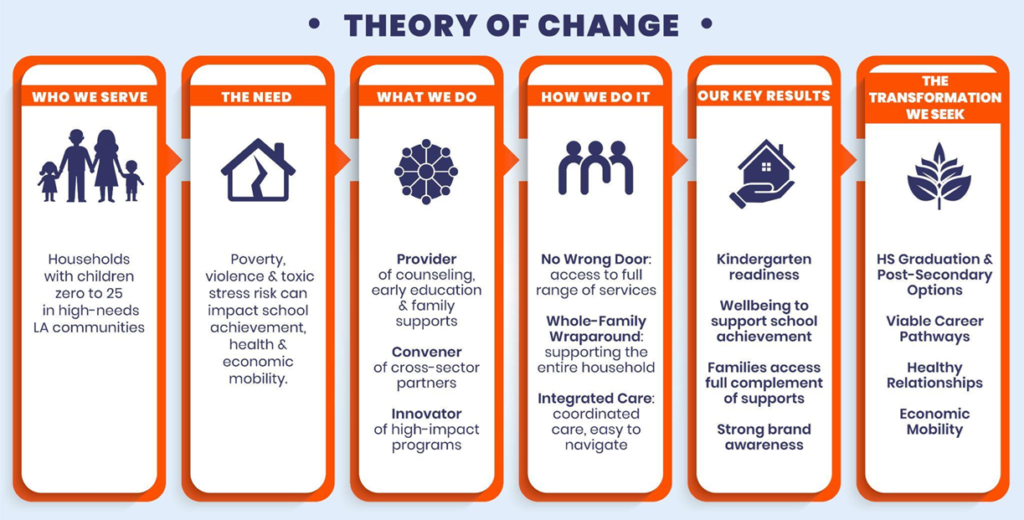
Theory of Change

Our theory of change is both a guiding framework and a living tool, connecting our program model to long-term impact and generational change:

CORE PRIORITIES

Together, four core priorities are the building blocks of CII’s North Star—for families, staff, and the communities we serve:

  • One CII: What We Deliver for Families
    There is no wrong door. Regardless of which need brings a family to us, CII identifies and connects families to the full range of programs and partner supports. A streamlined registration and intake system also facilitates staff collaboration, reduces administrative burdens, and prioritizes mental health emergencies and clinical needs.

  • People & Culture: Who Delivers the Work
    CII has a thriving and engaging workforce, aligned to a shared mission. Team members feel valued, supported, psychologically resilient, with clear pathways to learn, grow, and advance.

  • Systems & Infrastructure: How We Work
    Advanced technology and system design that strengthen program operations and impact. Improved workflows enhance accuracy, improve outcomes, and enable data-driven decision making.

  • Financial Health: How We Sustain CII
    Ensuring CII’s long-term sustainability. A diversified, innovative, multi-year financial strategy integrating scenario planning and strategic priorities with budgeting and forecasting enables CII to plan for funding shifts and ensure resources for our highest impact work.

Ā 

TO LEARN MORE AND SUPPORT THIS WORK, PLEASE CONTACT:

Catherine Atack, Chief External Officer
catack@childrensinstitute.org
(213) 260-7701

Ian Ryen
, Vice President of Impact Investment
iryen@childrensinstitute.orgĀ 
(213)260-7650

Women Taking Care of Women: Driving Change for Children and Families in Los Angeles

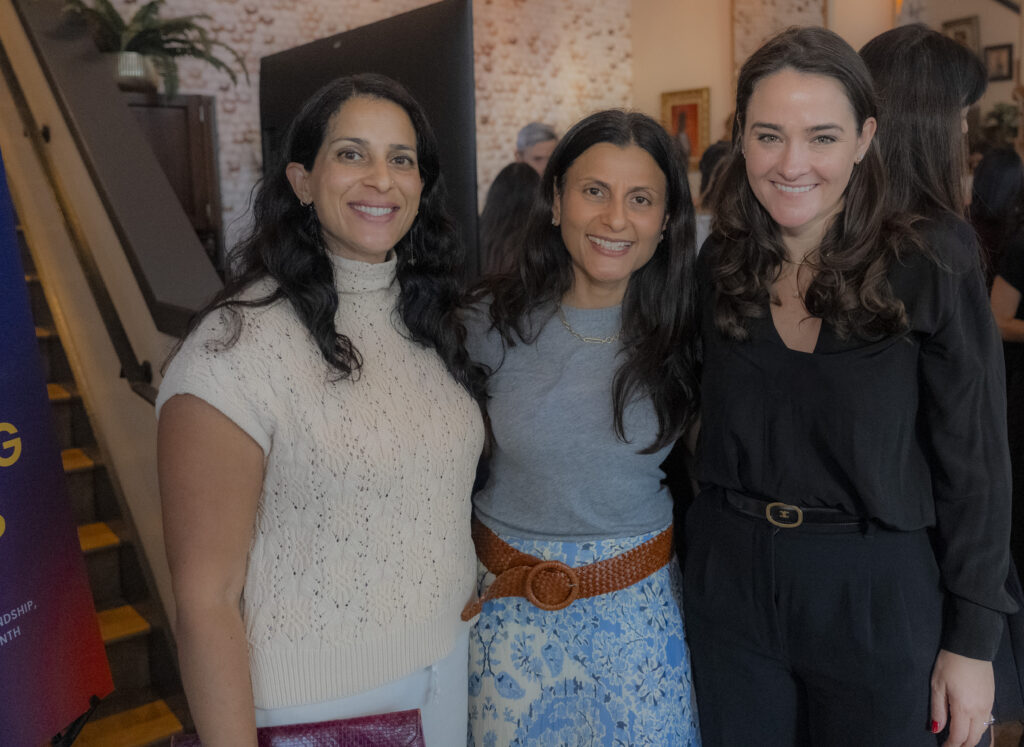
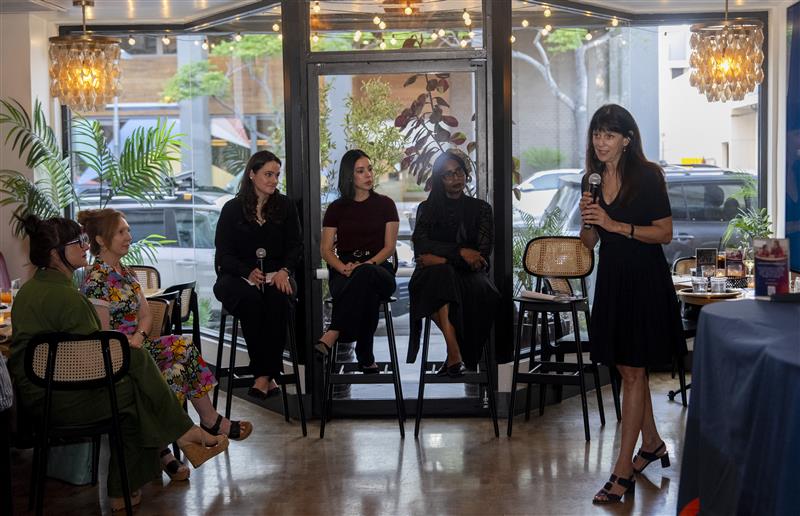
In March, Children’s Institute (CII) hosted an intimate gathering of local community members and supporters in honor of Women’s History Month.

As CII marks its 120th anniversary, building a stronger sense of community and connection feels especially meaningful. In 1906, founder Minnie Barton opened her home to support vulnerable women in Los Angeles—including young, single mothers with nowhere else to turn.

Today, that legacy endures. Nearly 90% of CII’s staff are women, and women and girls make up more than half of the 30,000 children and families served across its programs each year.

ā€œOur work has always been shaped by the strength and leadership of women,ā€ said Martine Singer, CII’s President and CEO.

Hosted by CII Board of Trustees members Mary Rohlich, Supriya Batra, and Megan Smith, When Everything Changes: Stories of Care, Healing, & Life-Saving Support created a space for CII program experts to share their experiences of helping women and children.

Megan Smith, who also moderated the conversation, reflected on what stood out most: CII’s ability to connect with families from the birth of their children through preschool, and into kindergarten, when intervention can have the greatest impact.

For families with children in school, Dr. Liliana Hernandez, CII’s Vice President of Community Behavioral Health & Youth Services, spoke to the urgency many face—particularly the fear and instability caused by immigration enforcement activities. ā€œThese pressures are compounding and affecting families at every level of their lives,ā€ she said.

She recalled a 10-year-old student who had completed their intake assessment with CII but missed a follow-up appointment. When their clinician reached out, the child’s mother shared that she and her son had been deported and were now living in El Salvador—an experience that underscores how quickly families’ circumstances can change.

From a broader level, Singer emphasized that where a child grows up continues to shape their future in profound ways. ā€œIn Los Angeles County, a child born in Watts can have a life expectancy more than a decade shorter than a child born just 12 miles away in Beverly Hills,ā€ she said.

These inequities, she noted, are not accidental—they are the result of longstanding policies. From redlining to disinvestment, entire communities have declined without access to opportunity, capital, and resources.

Earlier this year, Dr. Brandi Eichstedt, CII’s Director of Early Childhood Behavioral Health, launched Happy Mommies, Healthy Babies, a community-based maternal mental health program in South Los Angeles.

ā€œIf a mother is experiencing depression or anxiety and not receiving prenatal care, that stress carries over to her baby in utero which increases the likelihood that bonding will also be disrupted after the baby is born,ā€ Dr. Eichstedt shared.

ā€œOur Happy Mommies, Healthy Babies program is building bridges—working with mothers and their children from birth to age five by strengthening those parent-child connections through therapy, education, and coaching.ā€

In her closing, Megan Smith reflected on the enduring legacy of women supporting women. She spoke to the many roles women hold—as mothers, sisters, daughters, and friends—and how care and connection across generations have always been at the heart of deep impact.

ā€œCommunities of women supporting women is a tradition that stretches back millennia and yet remains deeply rooted in CII’s work today.ā€

Nonprofit and Philanthropic Leaders Come Together in the Urgency of the Moment

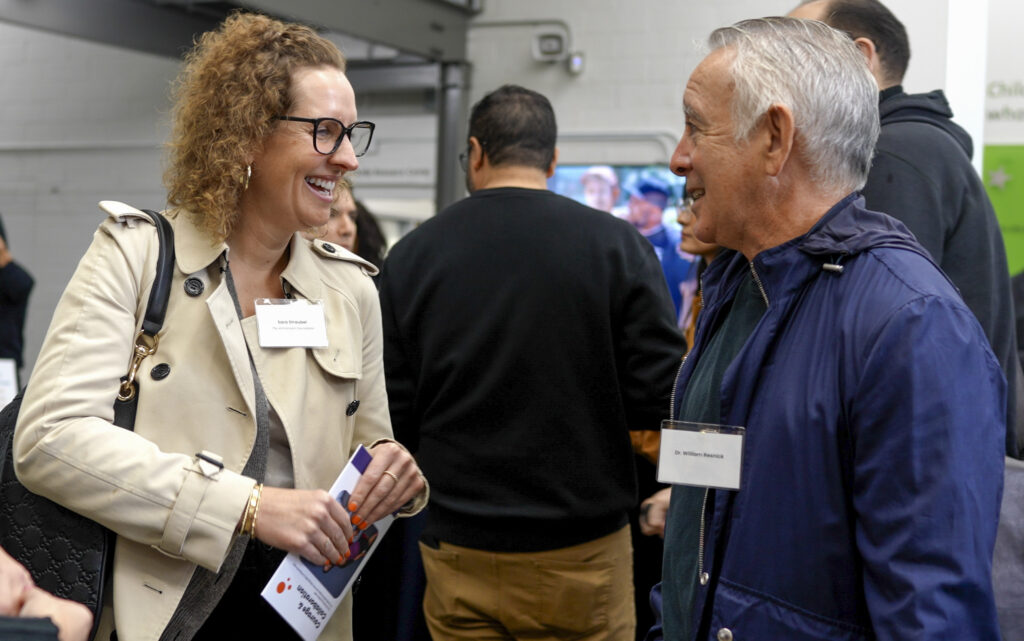
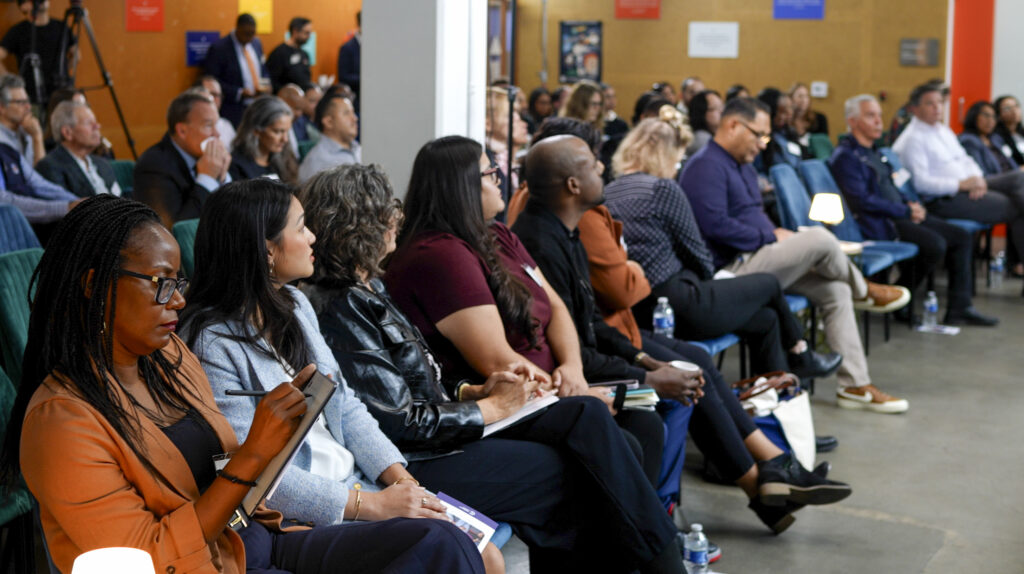
This month, nonprofit and philanthropic leaders gathered at the Children’s Institute for the convening, Courage & Collaboration, The Shrinking Safety Net: A Coordinated Response from Nonprofits & Philanthropy.

In her opening remarks, Martine Singer, President and CEO of Children’s Institute, underscored the urgency of coming together amid an unprecedented moment.

“Across Los Angeles, families are navigating extraordinary challenges,” she said. “Rising costs and inflation are pushing housing further out of reach. Proposed federal cuts to the very programs that keep families afloat are creating real fear about the future. And intensified immigration enforcement has shaken the sense of safety in communities that already live on edge.”

Frontline Perspectives

Moderated by Ana Ibarra, Health Reporter for CalMatters, the first of two panels featured nonprofit providers across various segments of the human services sector— education, housing, family and early childhood development, healthcare, food insecurity, and LGBTQ youth services.

Echoing Singer’s opening remarks, Jesse Locke, Clinical Program Manager for Behavioral Health at Children’s Institute, described 2025 as a pandemic of fear and an atmosphere of constant hypervigilance in public spaces for the families and communities she serves.

“From the mental health side, how can a parent be that supportive co-regulator to their child when these are all their stressors,ā€ she said.

Over the summer, when ICE forces entered Los Angeles, school-age children were not spared as witnesses to seeing community members being unlawfully taken or removed from their neighborhood.

When ICE forces descended on a Home Depot in the Westlake Pico-Union enclave, Ambar Martinez-Aguayo, Communities in Schools-LA Site Director, recalled that “our students could see the raids…they saw men with masks, in hats, taking their parents away, taking their siblings, taking their community.”

The tenuous circumstances have also led to greater absenteeism in schools across the County that ultimately result in budget cuts and staff vacancies, including counselors and therapists.

“How do you really assure these students when you’re just not sure yourself…when you’re not sure what is going on and can’t really explain what’s going on,” said Martinez-Aguayo.

Among community clinics, the impact of medicaid reductions through the federal H.R. 1 spending bill passed and signed into law in the summer has resulted in patient no-shows and delays in care. Then, a proposal by Health and Human Services (HHS) to disclose medicaid data with immigration enforcement agencies only made matters worse.

Dr. Aimee Le, Associate Medical Director and pediatrician at Saban Community Clinic, described the impact as having a ā€˜snowball effect’ on younger children.

“Trauma and chronic stress have been linked to obesity, cardiovascular disease, poor academic success in school, and this becomes a vicious cycle [with] detrimental effect to their long-term healthcare,” said Dr. Le.

Earlier this year, executive orders rolling back protections for LGBTQ communities became a precursor to larger cuts in suicide prevention programs. As a result, the nationwide suicide and crisis lifeline, also known as ā€˜988’, no longer gives callers the option to connect with a counselor trained in supporting the unique needs of LGBTQ youth living in crisis.

Nova Bright, Director of Training and Learning Development at the Trevor Project, highlighted that the California-response to this shift in services has resulted in funds being set aside to train call centers within the state to serve LGBTQ youth.

At the same time, she warned that “LGBTQ youth are at a massively increased risk for suicide…[so] unless we take a national approach, there are going to be LGBTQ young people all over the country who don’t have those resources.”

Within the housing services sector, the combined impact of funding cuts at the local, state, and federal level, are creating dire circumstances for individuals, youth, and families, such as the immediate loss of rental subsidies that keep residents in housing and working towards self-sufficiency, explained Bernice Saaverdra, Deputy Chief Program Officer of Systems and Regional Planning at LA Family Housing.

Additionally, the situation is compounded by the growing need for food and food assistance since the COVID-19 pandemic.

“Prior to the pandemic, we were serving approximately 300,000 people in LA County per month, through our network of partner agencies and through our direct distribution,ā€ said Hilda Ayala, Senior Director of Programs at LA Regional Food Bank. ā€œNow, we’re serving a little over 1 million people per month.ā€

The Organizational Impact of Rising Needs and Dwindling Resources

Moderated by Efrain Escobedo, President and CEO of Center for Nonprofit Management, the convening’s second panel featured nonprofit executive leaders discussing the impact of funding cuts within their organization.

ā€œOur work is very much across networks. We cover Los Angeles County…there [are] capacity challenges…it can be facilities, it can be people, it can be funding, it can be volunteers…and that is a real concern as we see some of these cutbacks come in,ā€ said Michael Flood, President & CEO of LA Regional Food Bank.

The current funding crisis has also led to the closures of access centers across Southern California, where the unhoused or those living on the edge of homelessness access critical life-saving resources. As a result, nonprofits are also bracing for the immediate future.

“We are thinking about cuts down the road, so we have been training many of our outreach workers to do the work of an access center,” said Stephanie Klasky-Gamer, President and CEO LA Family Housing. “We’re not meant to wear twelve hats…[and] we are asking people to have multiple roles to close the gap for where the system is failing.”

At neighborhood schools, teachers and staff are being confronted with a reality where their personal and work lives become increasingly inseparable.

As Elmer Roldan, Executive Director of Communities In Schools-LA, explained, “Our staff, in particular, are having to do more with the same amount of resources or less. They’re the ones that are having to figure out what is happening at home, and how they’re navigating the situation in their own household, and then coming back and putting on their cape and trying to help students who are dealing with tremendous amounts of crisis.”

“We’ve had to support patients in ways we weren’t doing before …one of the things we’ve done differently is to lean into more [patient] advocacy,ā€ said Muriel Nouwezem, Chief Executive Officer at Saban Community Clinic. “We felt it was really important for us to [explain] to patients what H.R. 1 means and how it’s going to translate in coverage.”

For nonprofit organizations, reacting to constant changes makes planning for the short and long-term nearly impossible. As Singer explained, “We’ve gone through scenario planning exercises over and over again. It takes a huge amount of effort. It takes away from creativity and peace of mind…creating tremendous stress and strain and fraying of infrastructure, the more you have to do that.”

A Powerful Call to Action

The conversation and workshop sparked a powerful call to action: nonprofits and investors must unite more often to tackle shared challenges and design bold, sustainable solutions. By collaborating creatively, participants saw opportunities to stretch limited financial resources and amplify collective impact. Investors, in particular, can play a catalytic role—fueling the innovation and risk-taking that smaller organizations often can’t afford alone. Together, we can unlock new revenue streams, close critical funding gaps, and ensure local programs not only survive but thrive for the communities that rely on them most.

Special thanks to co-hosts of the Courage & Collaboration convening: Communities in Schools-Los Angeles, Saban Community Clinic, Los Angeles Regional Foodbank, LA Family Housing, the Trevor Project, CalMatters, and the Center for Nonprofit Management.