Nonprofit and Philanthropic Leaders Come Together in the Urgency of the Moment

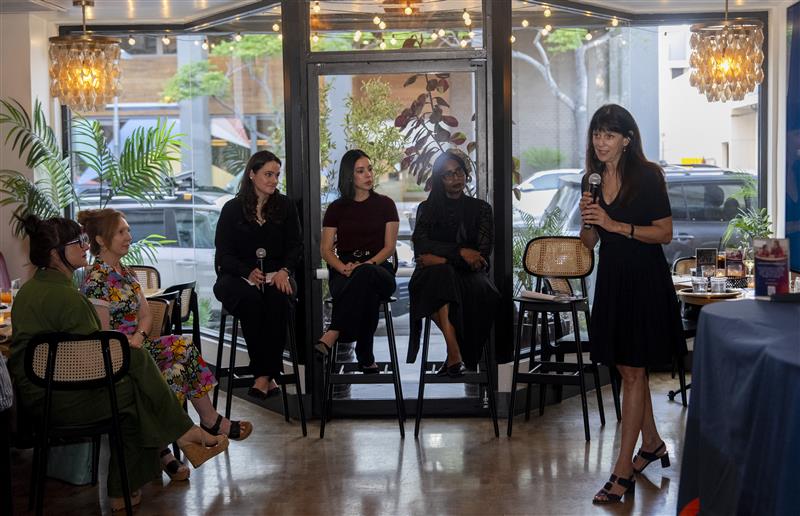
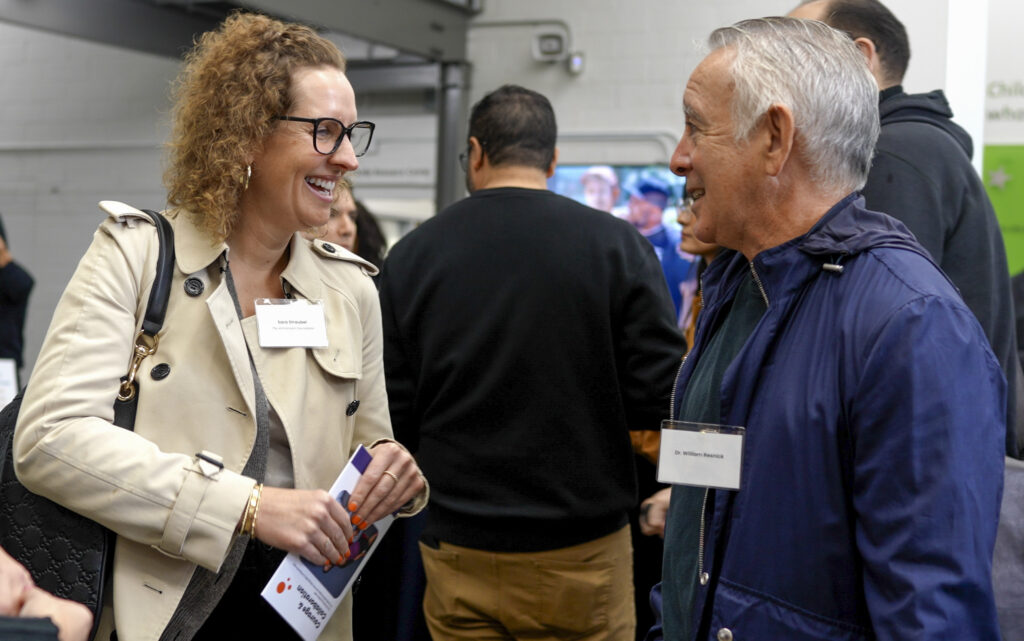
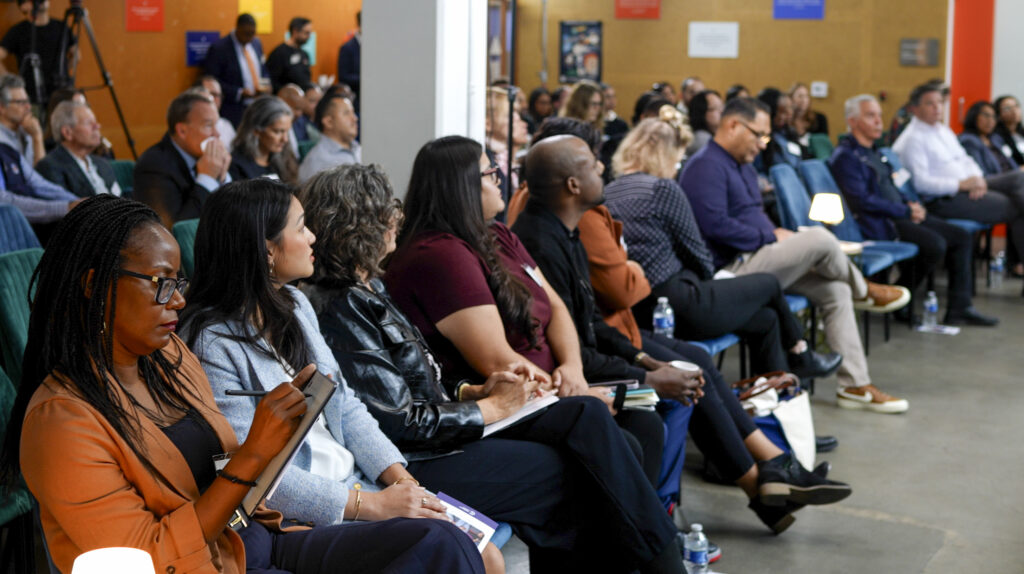
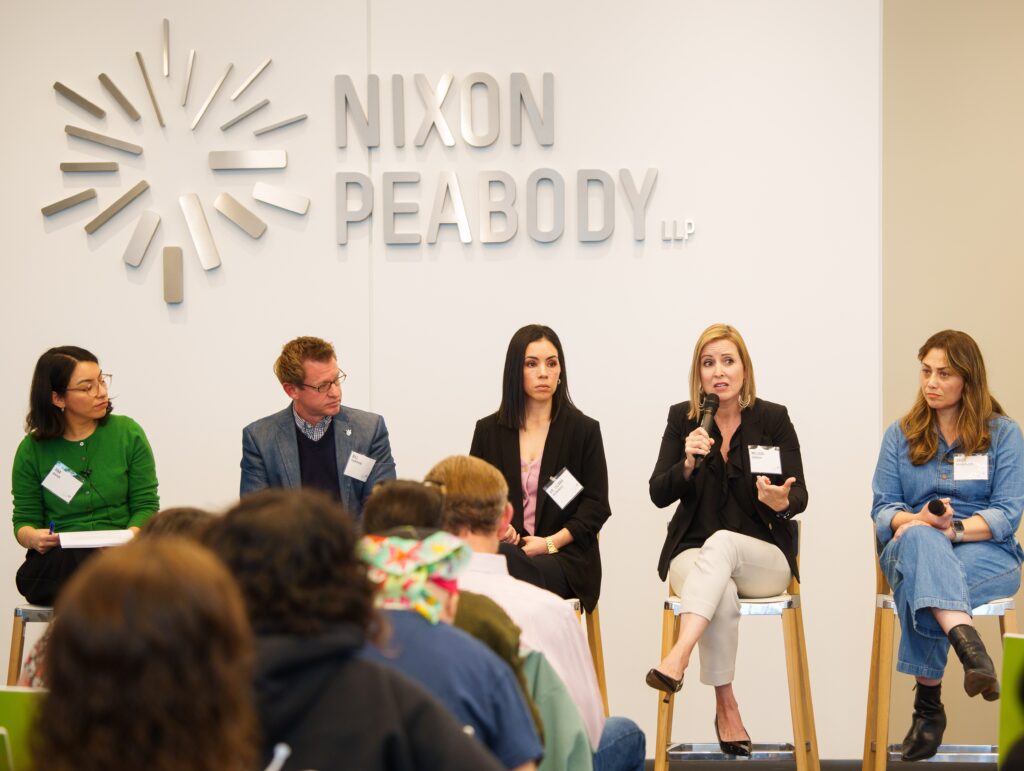
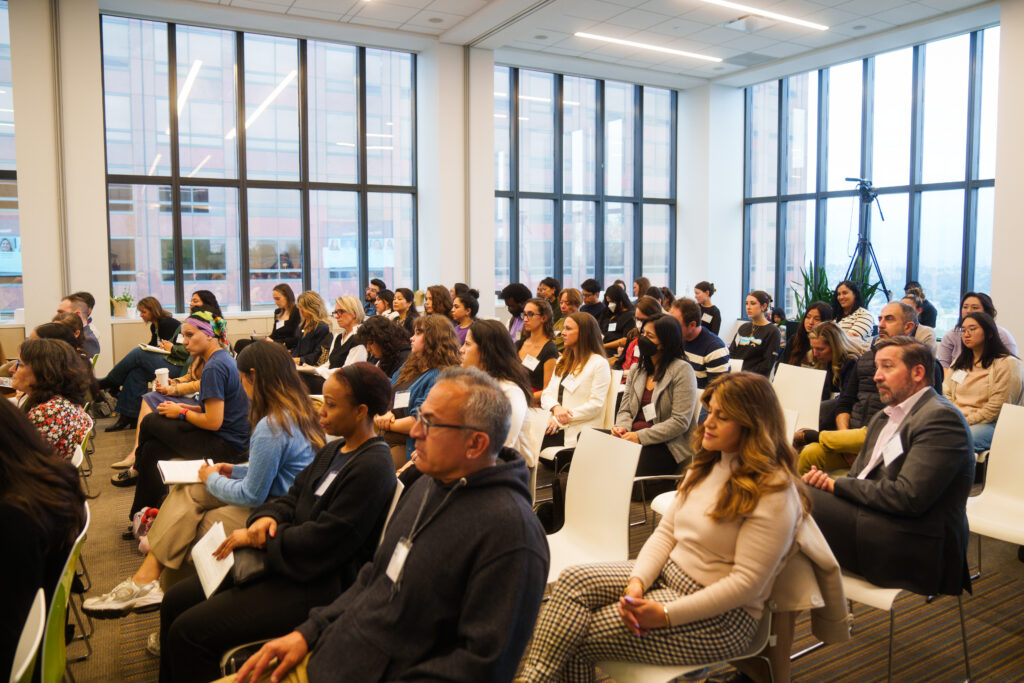
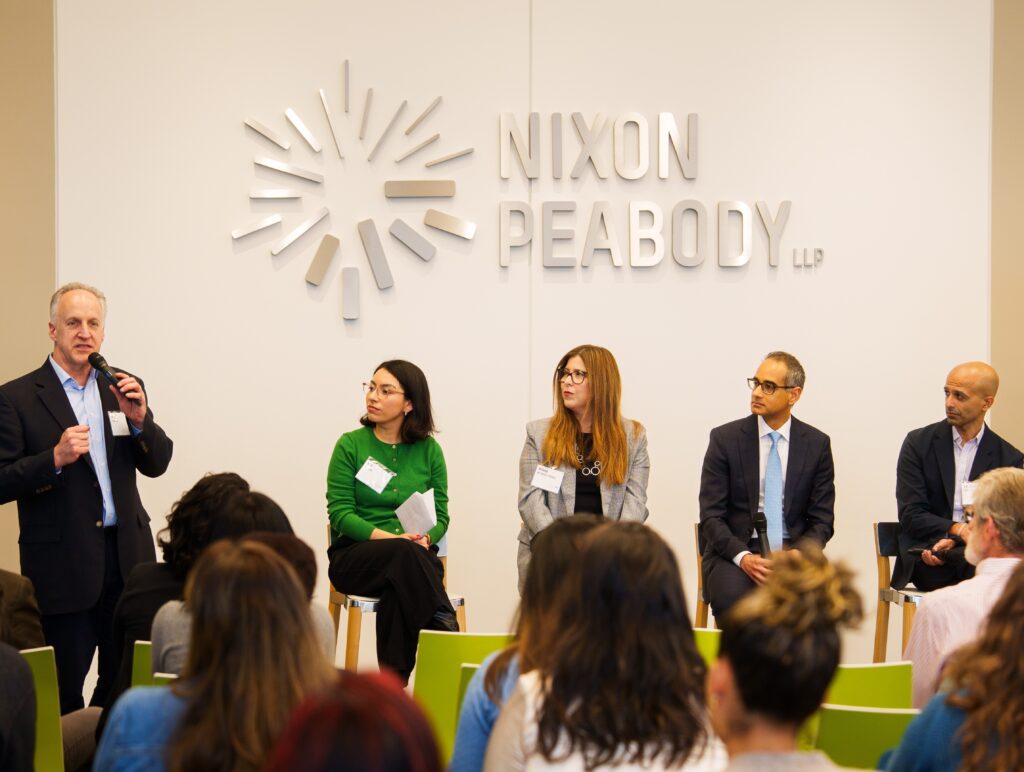
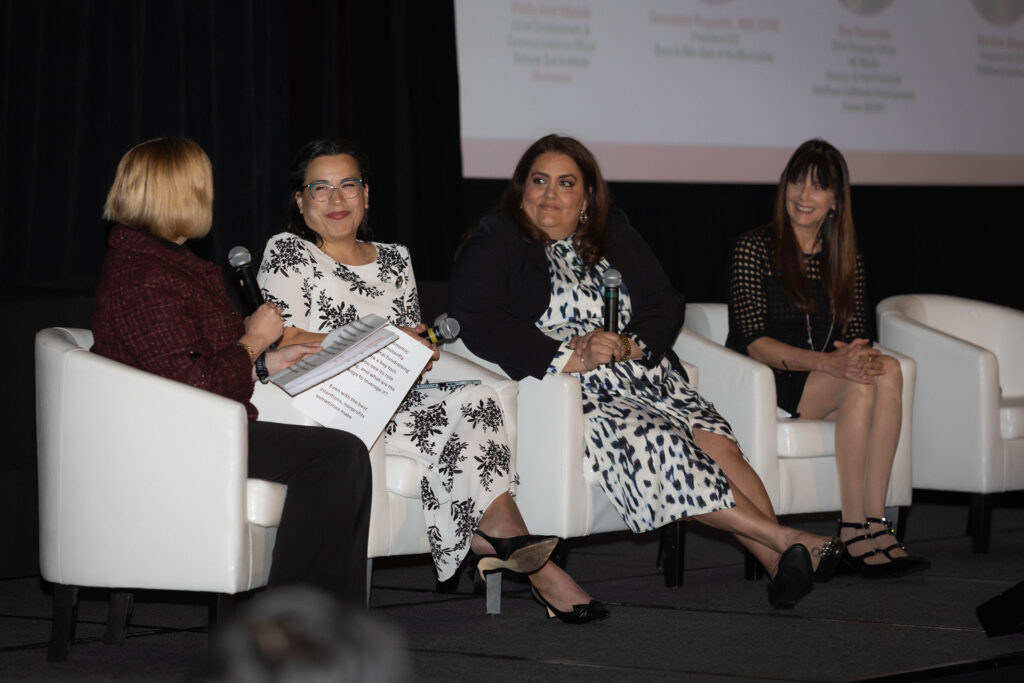
This month, nonprofit and philanthropic leaders gathered at the Children’s Institute for the convening, Courage & Collaboration, The Shrinking Safety Net: A Coordinated Response from Nonprofits & Philanthropy.

In her opening remarks, Martine Singer, President and CEO of Children’s Institute, underscored the urgency of coming together amid an unprecedented moment.

“Across Los Angeles, families are navigating extraordinary challenges,” she said. “Rising costs and inflation are pushing housing further out of reach. Proposed federal cuts to the very programs that keep families afloat are creating real fear about the future. And intensified immigration enforcement has shaken the sense of safety in communities that already live on edge.”

Frontline Perspectives

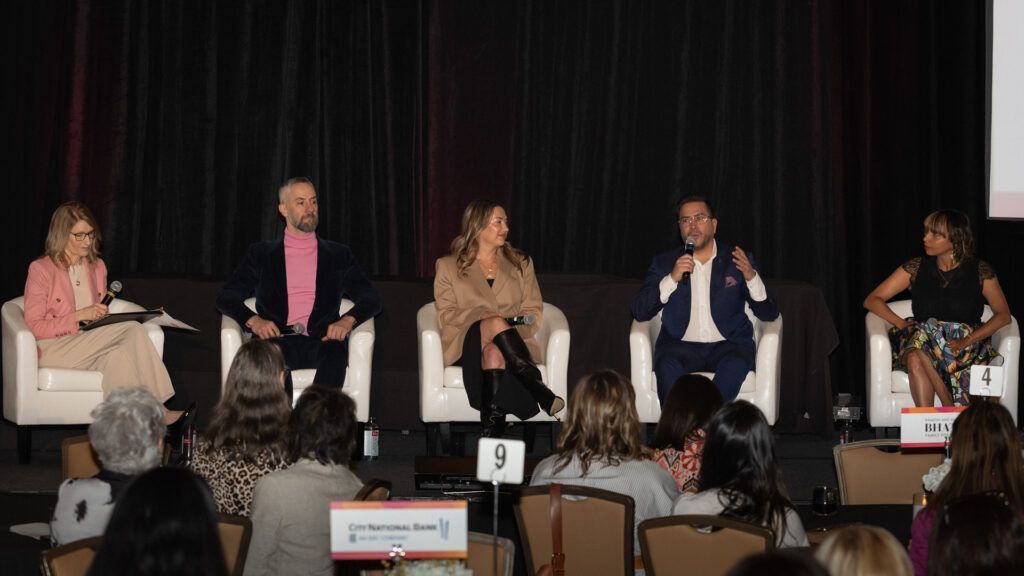
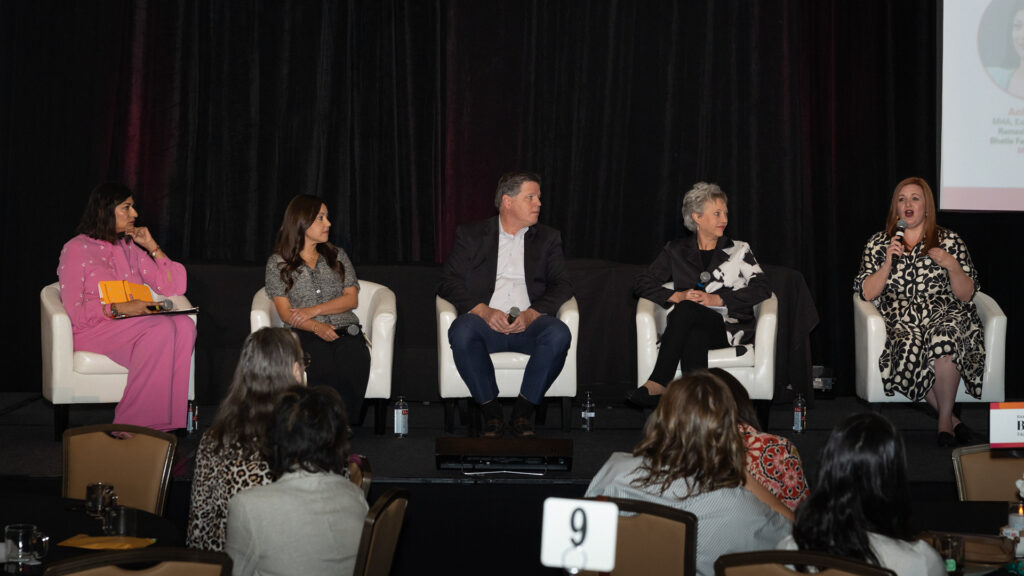
Moderated by Ana Ibarra, Health Reporter for CalMatters, the first of two panels featured nonprofit providers across various segments of the human services sector— education, housing, family and early childhood development, healthcare, food insecurity, and LGBTQ youth services.

Echoing Singer’s opening remarks, Jesse Locke, Clinical Program Manager for Behavioral Health at Children’s Institute, described 2025 as a pandemic of fear and an atmosphere of constant hypervigilance in public spaces for the families and communities she serves.

“From the mental health side, how can a parent be that supportive co-regulator to their child when these are all their stressors,” she said.

Over the summer, when ICE forces entered Los Angeles, school-age children were not spared as witnesses to seeing community members being unlawfully taken or removed from their neighborhood.

When ICE forces descended on a Home Depot in the Westlake Pico-Union enclave, Ambar Martinez-Aguayo, Communities in Schools-LA Site Director, recalled that “our students could see the raids…they saw men with masks, in hats, taking their parents away, taking their siblings, taking their community.”

The tenuous circumstances have also led to greater absenteeism in schools across the County that ultimately result in budget cuts and staff vacancies, including counselors and therapists.

“How do you really assure these students when you’re just not sure yourself…when you’re not sure what is going on and can’t really explain what’s going on,” said Martinez-Aguayo.

Among community clinics, the impact of medicaid reductions through the federal H.R. 1 spending bill passed and signed into law in the summer has resulted in patient no-shows and delays in care. Then, a proposal by Health and Human Services (HHS) to disclose medicaid data with immigration enforcement agencies only made matters worse.

Dr. Aimee Le, Associate Medical Director and pediatrician at Saban Community Clinic, described the impact as having a ‘snowball effect’ on younger children.

“Trauma and chronic stress have been linked to obesity, cardiovascular disease, poor academic success in school, and this becomes a vicious cycle [with] detrimental effect to their long-term healthcare,” said Dr. Le.

Earlier this year, executive orders rolling back protections for LGBTQ communities became a precursor to larger cuts in suicide prevention programs. As a result, the nationwide suicide and crisis lifeline, also known as ‘988’, no longer gives callers the option to connect with a counselor trained in supporting the unique needs of LGBTQ youth living in crisis.

Nova Bright, Director of Training and Learning Development at the Trevor Project, highlighted that the California-response to this shift in services has resulted in funds being set aside to train call centers within the state to serve LGBTQ youth.

At the same time, she warned that “LGBTQ youth are at a massively increased risk for suicide
[so] unless we take a national approach, there are going to be LGBTQ young people all over the country who don’t have those resources.”

Within the housing services sector, the combined impact of funding cuts at the local, state, and federal level, are creating dire circumstances for individuals, youth, and families, such as the immediate loss of rental subsidies that keep residents in housing and working towards self-sufficiency, explained Bernice Saaverdra, Deputy Chief Program Officer of Systems and Regional Planning at LA Family Housing.

Additionally, the situation is compounded by the growing need for food and food assistance since the COVID-19 pandemic.

“Prior to the pandemic, we were serving approximately 300,000 people in LA County per month, through our network of partner agencies and through our direct distribution,” said Hilda Ayala, Senior Director of Programs at LA Regional Food Bank. “Now, we’re serving a little over 1 million people per month.”

The Organizational Impact of Rising Needs and Dwindling Resources

Moderated by Efrain Escobedo, President and CEO of Center for Nonprofit Management, the convening’s second panel featured nonprofit executive leaders discussing the impact of funding cuts within their organization.

“Our work is very much across networks. We cover Los Angeles County…there [are] capacity challenges
it can be facilities, it can be people, it can be funding, it can be volunteers…and that is a real concern as we see some of these cutbacks come in,” said Michael Flood, President & CEO of LA Regional Food Bank.

The current funding crisis has also led to the closures of access centers across Southern California, where the unhoused or those living on the edge of homelessness access critical life-saving resources. As a result, nonprofits are also bracing for the immediate future.

“We are thinking about cuts down the road, so we have been training many of our outreach workers to do the work of an access center,” said Stephanie Klasky-Gamer, President and CEO LA Family Housing. “We’re not meant to wear twelve hats…[and] we are asking people to have multiple roles to close the gap for where the system is failing.”

At neighborhood schools, teachers and staff are being confronted with a reality where their personal and work lives become increasingly inseparable.

As Elmer Roldan, Executive Director of Communities In Schools-LA, explained, “Our staff, in particular, are having to do more with the same amount of resources or less. They’re the ones that are having to figure out what is happening at home, and how they’re navigating the situation in their own household, and then coming back and putting on their cape and trying to help students who are dealing with tremendous amounts of crisis.”

“We’ve had to support patients in ways we weren’t doing before …one of the things we’ve done differently is to lean into more [patient] advocacy,” said Muriel Nouwezem, Chief Executive Officer at Saban Community Clinic. “We felt it was really important for us to [explain] to patients what H.R. 1 means and how it’s going to translate in coverage.”

For nonprofit organizations, reacting to constant changes makes planning for the short and long-term nearly impossible. As Singer explained, “We’ve gone through scenario planning exercises over and over again. It takes a huge amount of effort. It takes away from creativity and peace of mind…creating tremendous stress and strain and fraying of infrastructure, the more you have to do that.”

A Powerful Call to Action

The conversation and workshop sparked a powerful call to action: nonprofits and investors must unite more often to tackle shared challenges and design bold, sustainable solutions. By collaborating creatively, participants saw opportunities to stretch limited financial resources and amplify collective impact. Investors, in particular, can play a catalytic role—fueling the innovation and risk-taking that smaller organizations often can’t afford alone. Together, we can unlock new revenue streams, close critical funding gaps, and ensure local programs not only survive but thrive for the communities that rely on them most.

Special thanks to co-hosts of the Courage & Collaboration convening: Communities in Schools-Los Angeles, Saban Community Clinic, Los Angeles Regional Foodbank, LA Family Housing, the Trevor Project, CalMatters, and the Center for Nonprofit Management.

Fear Shouldn’t Keep Children from Safety and Care


Across Los Angeles, fear is destroying childhood.

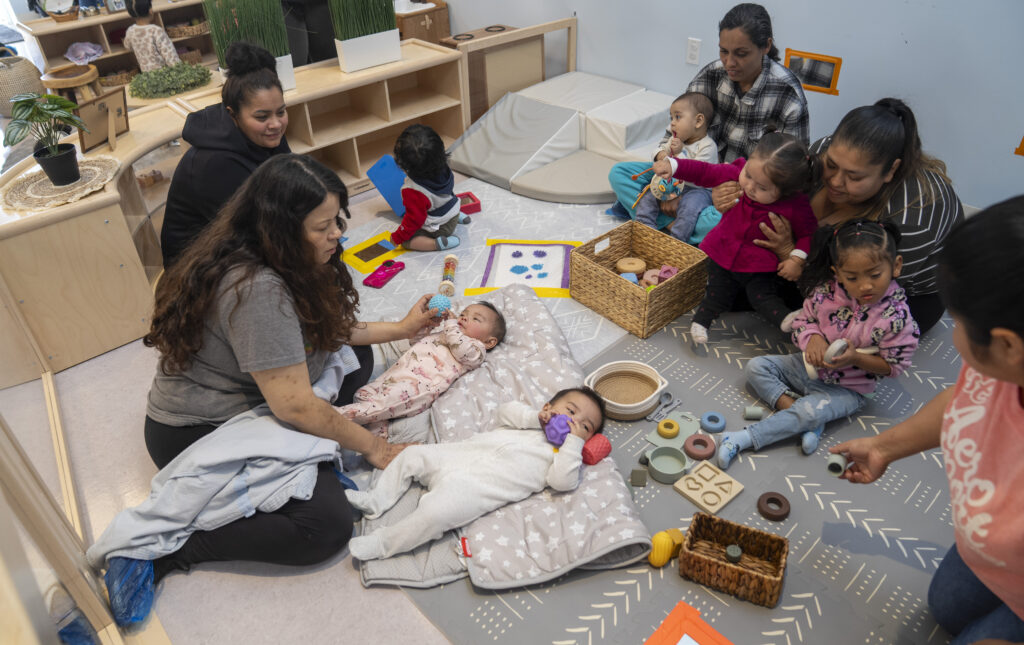
At Children’s Institute, we see it every day in the faces of the children and families we serve. Since the beginning of 2025, fear of immigration enforcement has become a daily reality—disrupting school routines, upending family rhythms, and weakening the sense of safety that children need to grow and thrive.

As journalist Jenny Gold recently reported in the Los Angeles Times, early learning and care providers in Los Angeles face a tidal wave of fear.

This is not an abstract fear. It’s the real, lived experience of a mother afraid to walk her child to one of our Head Start preschools. A parent rushing to one of our centers to pick up her child because ICE is in the neighborhood. A child scanning the door at pickup time after a day at summer camp, unsure if his parent will return. Attendance has dropped in our preschools, our clinics and at community events. Many families feel isolated and without support.

When attendance drops, it’s more than just empty seats—it’s children not getting meals, not attending counseling appointments, and losing access to safe spaces that buffer them from trauma. And families, especially those already living in poverty, are left without the lifelines that help them survive day-to-day. Parents often must stay home with children who can no longer safely attend programs, destabilizing household incomes and pushing families further into economic insecurity.

We’ve seen this before. The COVID-19 pandemic taught us how fragile the infrastructure of care and education can be—and how quickly families can slip through the cracks. We cannot let that happen again.

Invest in Children’s Institute now. The safety net is shrinking, and the number of children and families who need it—and rely on it as an essential support —is growing every day.

At Children’s Institute, we are dedicated to maintaining this vital safety net, but we cannot do it without your support.

Your generosity powers our ability to:
‱ Keep our early learning programs open and accessible
‱ Reduce barriers to mental health services and care navigation
‱ Provide emergency relief—including in-kind donations—for families facing displacement, fear, and economic loss

This is not a moment for business as usual. It is a moment to meet fear with care, and uncertainty with action.

Let’s ensure that fear does not become the new normal for Los Angeles’ children. Let’s make sure they have what they need: a place to learn, people to trust, and a path forward.

Children’s Institute’s Resource Guide for Immigrants

Children’s Institute is committed to ensuring that all our community —regardless of immigration status—have access to the essential resources, guidance, safety, and support they need during these challenging times. In moments of fear and uncertainty, we stand firmly with our immigrant children, families, and neighbors, and our commitment to them remains steadfast.

We will continue providing mental health services, early childhood programs, and health navigation support to all those in need. In addition, we will share timely updates, resources, and announcements on our website and other platforms to support immigrant families in our programs. Please be sure to check for updates regularly.

Click links below for resources and information.

Preparedness:

Know Your Rights:

Legal Assistance:

Mental Health:

Additional Resources:

CalMatters: Mental Health Symposium

Last week, CalMatters hosted a compelling Mental Health Symposium focused on the urgent state of youth mental health and the effectiveness of California’s investments in this space. Leaders in the field came together for a series of rich discussions, offering insights, research findings and various perspectives.

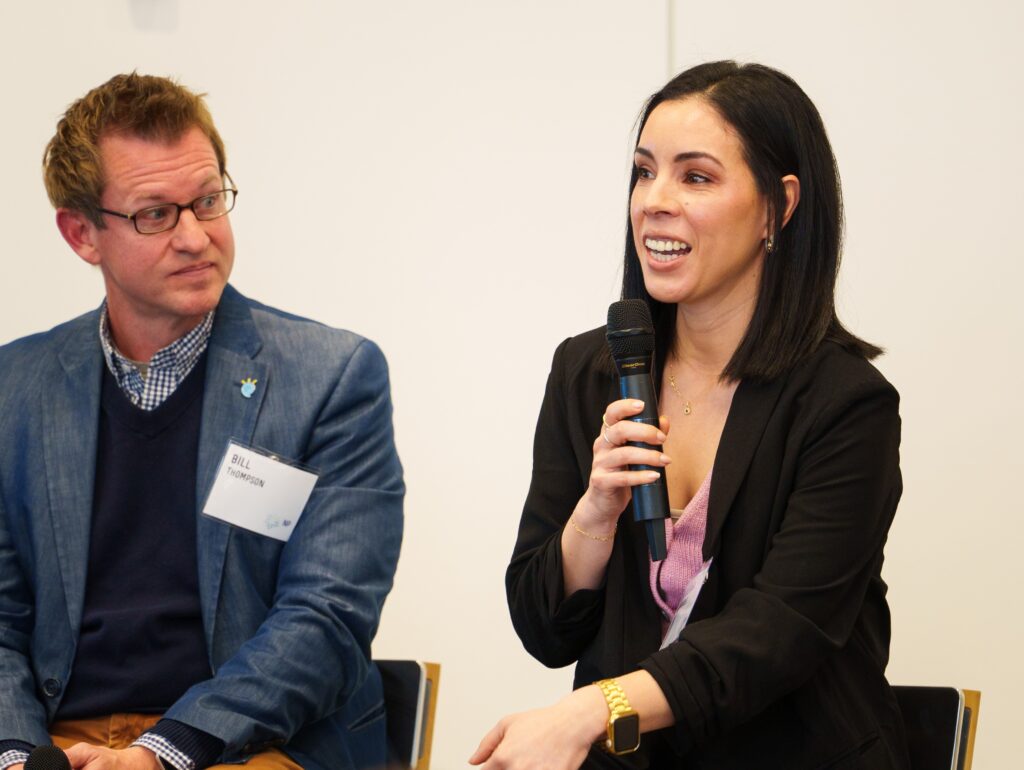
We were proud to see our own Dr. Liliana Hernandez, Director of School-Aged Behavioral Health, share the stage with an inspiring group of experts including Melissa Hannah (United Parents), Bill Thompson (Young Storytellers), Erica Villalpando (Pasadena Unified School District), Sarah LaBrie (author of No One Gets to Fall Apart), Dr. Sameer Amin (L.A. Care Health Plan), Dr. Sohil Sud (CYBHI), Myrna Reynoso Torres (LACOE), Elodie Mailliet Storm, Neil Chase (CalMatters) and the moderator, Ana B. Ibarra (CalMatters).

Discussion 1: How Are the Kids Doing?

Dr. Hernandez joined the opening panel, “How Are the Kids Doing?”, where she addressed some of the top concerns impacting youth mental health today including access to care. With growing waitlists, insurance barriers and an alarming workforce shortage, Dr. Hernandez emphasized how these systemic issues create real consequences for families seeking help. Her insights highlighted the urgency for policy change and increased support for behavioral health providers in schools and in communities.

Melissa Hannah reinforced this urgency, speaking to the mounting stress parents face, especially in rural areas where services are scarce. For many families, meeting basic needs like rent and food takes precedence, making mental health seem like a luxury, when in reality, it’s a necessity.

What We Learned from the Pandemic

Panelist Erica Villalpando shared how the pandemic and California’s wildfires served as a “training ground” for schools to provide mental health services under extreme circumstances. Virtual care became a lifeline and the lesson was clear: schools can’t just offer services. “They must meet families where they are and address basic needs before mental health support can be truly effective.”

The Power of Storytelling

Bill Thompson offered a powerful look into how children’s stories changed post-pandemic. An analysis of 7,000 student-written stories revealed a stark decline in happy endings and a rise in sad endings and themes about technology/social media, social justice and systemic inequality. His message was that children are absorbing and reflecting the emotional toll of today’s world and it’s through storytelling that you can get a glimpse of this reality.

Discussion 2: California’s Investments – Are They Working?

In the second panel discussion, Dr. Sameer Amin and Dr. Sohil Sud joined others to evaluate the State of California’s investments in youth mental health. While progress has been made in awareness and education, major gaps remain in early intervention, staffing and infrastructure. One major point was that we must stop waiting for crises to occur before acting – as a collective group.

Where Do We Go from Here?

Despite the challenges, the event closed on a hopeful note. As many panelists emphasized – community support is a beacon of resilience and hope. We must come together to support the most underserved children, families and communities and perhaps the most inspiring message of all? Our young people remain hopeful.

The youth of today have a strong sense of fairness, deep care for the environment and advocacy for equity, which should give us reason to believe that meaningful change is not only possible, it’s already in motion.

We are deeply honored to have had Dr. Liliana Hernandez represent our organization in such a deep and meaningful conversation. And, as an organization that prioritizes mental health & wellbeing, we are committed to continuing the work of supporting youth mental health every step of the way.

Mental Health Symposium Videos:

Panel 1 Discussion: Mental Health Symposium: “How are the kids?”

Panel 2 Discussion: Mental Health Symposium: “Are California’s investments working?”

Photos by Julz Hotz for CalMatters.


Helen’s Journey of Hope Through Home Visitation

When Helen found out she was pregnant in 2018, she was overwhelmed by uncertainty. At risk of homelessness and struggling with substance abuse, she joined an in-person treatment program. That same day, her father passed away.

“I had this baby, and in that moment, I was in a sober living home by myself, away from family, trying to better myself.”

At the hospital after giving birth, Helen found out about the free Healthy Families America home visiting program at Children’s Institute in Long Beach. She signed up and started getting personal in-home support from Natalia, a home visitor from Children’s Institute.
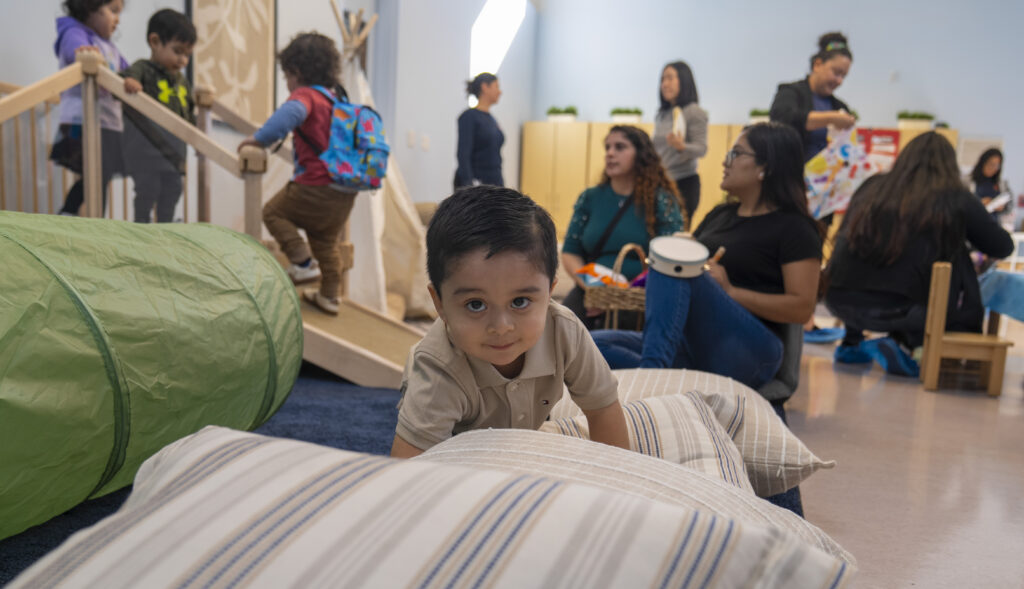
At the time, she was not only grieving the loss of her father but also fighting to regain custody of her two other children. “I had my first-born at the same hospital, and I wasn’t enrolled in a home visiting program at that time. What if I would have enrolled in a program then? I would have had somebody,” said Helen.

Natalia was a support system through Helen’s sobriety journey, reminding her to celebrate the small wins. Helen said she could open up to Natalia after treatment. “She is never judgmental and always sees the bigger picture,” said Helen. “My favorite part is her coming and lending her ear. I am able to express myself, I have deep conversations with her.”

Even though she’s not a first-time mother, Helen said the program has taught her a lot. “When Natalia goes over things with me about my baby that she’s doing right, it boosts my confidence as a mother. The program has helped me keep my composure as a wondering and worried mother. Anything and everything that related to my worries, I can always resort to Natalia.”

Helen is glad she learned about bonding with her baby and about child development. “I have been reading to her since she was a couple months old. I started opening up hard books for her. Now, she turns the page. It’s a deep connection with her of exploring visually and hearing.”

Natalia has also provided various resources to Helen, such as a playpen, wipes, diapers, and toys for the baby, “She never comes empty-handed to the visits,” Helen laughed.

Helen is grateful for this new chapter in her life and for Natalia. “I really appreciate she is right there with me every step of the way. She is rooting me on, through thick and thin. She saw my change within the year.”

For more information on our Home Visitation Program – Contact Us.


Spotlight: Early Childhood

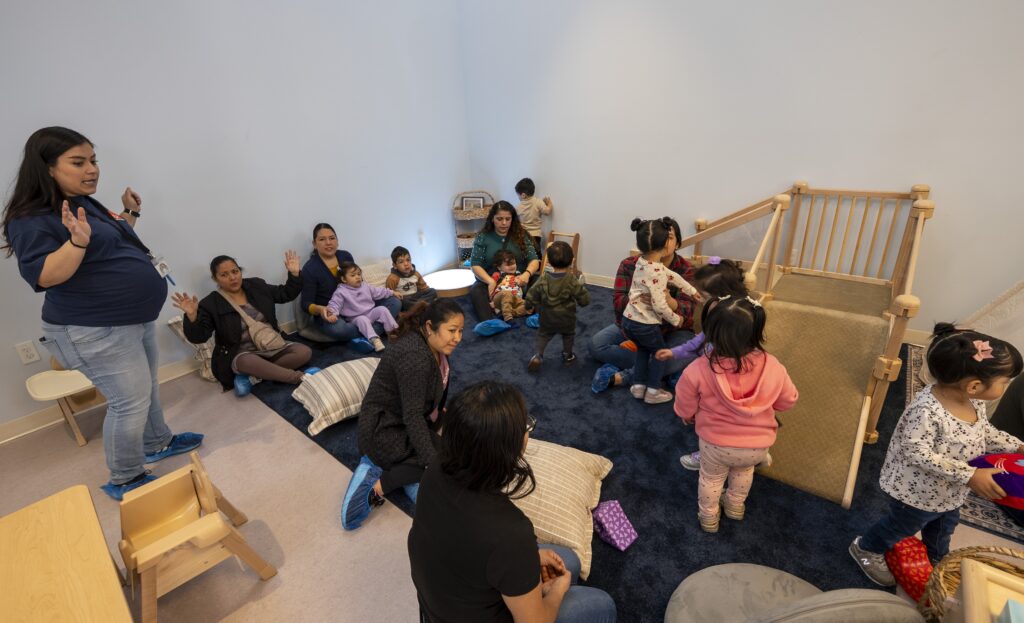
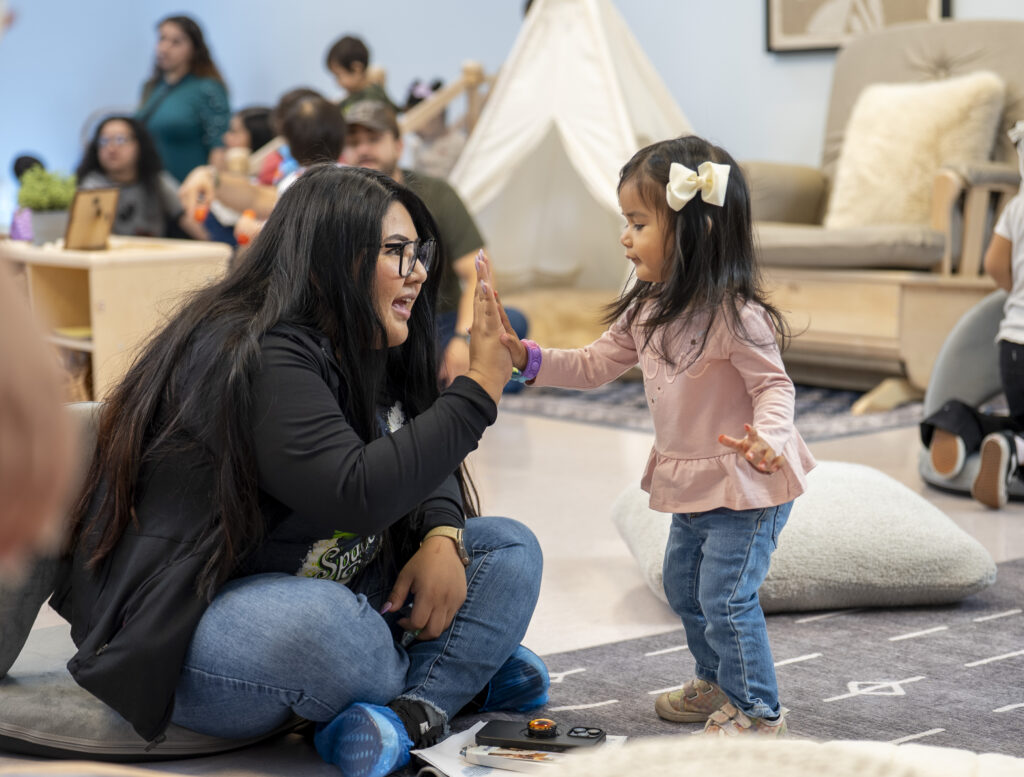
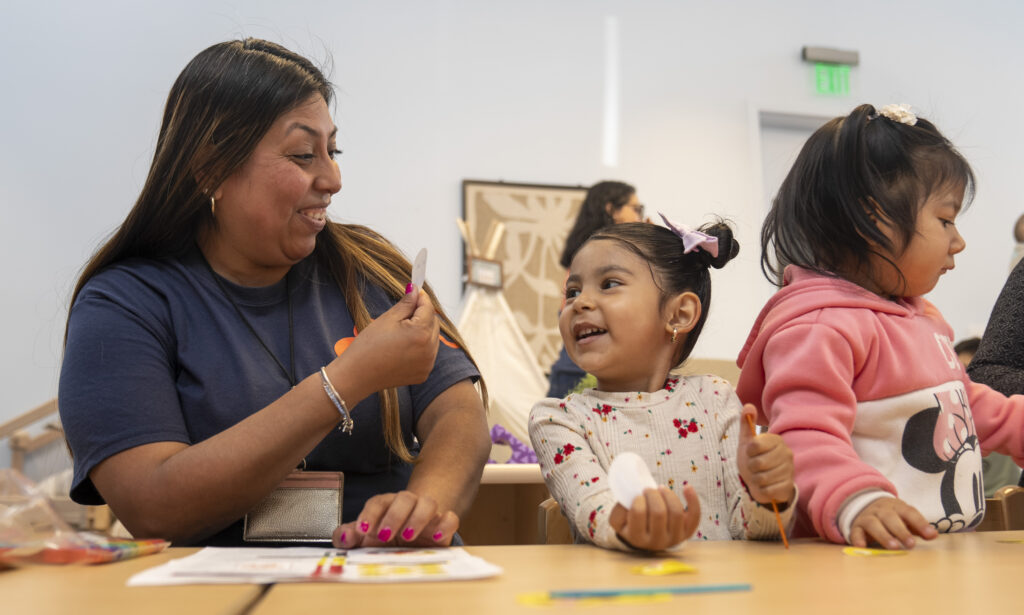
We’ll be spotlighting one of our programs each month and in March, we focused on Early Childhood. We want to acknowledge not only our Early Childhood programs – from Head Start, Early Head Start to our Home-Based services, but also our incredible staff who change the lives of each child, day in and day out.

Here are highlights of the work we do for our youngest ones:

For more information and to enroll in our early childhood programs and services, check out our website here: Early Childhood – Ages 0-5


Martine Speaks at LA Business Journal’s Nonprofit Awards

On March 20, 2025, the Los Angeles Business Journal hosted their annual Nonprofit & Corporate Citizenship Awards at the Biltmore Hotel in Downtown Los Angeles, celebrating the outstanding contributions of nonprofits and corporate citizens across our community. ​

We were so enthused to have Martine Singer, our President & CEO, as a featured panelist in the “Managing & Fundraising in Evolving Times” session where she shared insights into navigating the complexities of nonprofit leadership during challenging times. The insights were eye eye-opening and the dialogue amongst panelists were thoughtful and engaging.

Events like these highlight the importance of collaboration and shared knowledge in strengthening our communities. In addition to nonprofit leaders like Martine, there were several executives from corporations – including Amazon, the Los Angeles Chargers, City National Bank, and many more represented on stage.

Kudos to Martine and all the dedicated leaders who are driving positive change.

What a pleasure it was to meet and share the stage with: GEOVANNY RAGSDALE, MIB, CFRE, Bee Rarewala, Molly Ann Woods, CFRE, David Ambroz, Heather Birdsall, Milton Dellossier, Nakeya T. Fields, LCSW, Michael Flood, Marcia Mayeda, CAWA, Lauren Plichta!

Celebrating Women’s History Month

In honor of Women’s History Month, we are celebrating the incredible women in our organization who make our work possible every day. Their dedication, compassion and leadership drive our North Star forward, ensuring that children and families in our communities receive the support and opportunities they deserve.

This March, we recognize and honor their invaluable contributions in creating a brighter, more equitable future for all. Thank you, Martine Singer, Noemi Vasquez, Ebony Clinton and Stephani Gonzalez for all the ways you’ve dedicated your lives for others.

Please enjoy each of these videos!

Martine Singer, President & CEO 

Noemi Vasquez, Care Coordinator

Ebony Clinton, Clinical Program Manager

Stephani Gonzalez, Senior Community Engagement Specialist


Deskside Chat with the Board: Megan Smith

Thank you for visiting us today, Megan, and thank you for joining our board of trustees. We are thrilled to have you here and are excited for our communities to get to know you better. To start off, could you please tell us about yourself, highlighting key milestones throughout your life, both personally and professionally, that have shaped who you are today?

I was born and raised in Grand Rapids Michigan, which is the second largest city in Michigan. It feels more like a small town, though, compared to Los Angeles. I’m the youngest of four girls and grew up in Michigan but left when I was 18 years old to attend Duke University in North Carolina, where I studied history and public policy.

After graduation, I moved to New York City to attend law school. I would say that moving to New York was one of my first major milestones. Living there radically changed the perception of who I was in the world. In Michigan, I grew up in a homogenous community. It was a wonderful place to grow up because it was very safe – all my friends, their parents and even our grandparents knew each other. We were the fourth generation in our church and in the community I grew up in. Similarly, Duke was also set in a smallish city.

In New York, I was exposed to so many different people from all over the world, interacting with them day-to-day in the sea of eight million people. Being an extrovert, I loved being around people, but I also loved the anonymity of living in a big city. It breaks the self-centeredness that follows teens and people in their early 20s. It also opened my eyes to my privilege in a way that I did not fully grasp. There’s a great level set in New York. It doesn’t matter if you live in a penthouse or in a cardboard box, you’re all stepping on the same trash and taking the same subway. For me, it helped me grow – through meeting people and interacting with people who were very unlike me, which I didn’t have the exposure to as a child growing up in Michigan.

After New York, I moved to Nashville, Tennessee, for a federal clerkship, which was a great opportunity career-wise. At the same time, it felt like moving back to Michigan. Nashville was a segregated city in terms of class and privilege and I quickly decided that that was not the place I wanted to raise my kids. I really wanted to raise my future family in a place where they would be exposed to different ideas and different people and I wanted to practice where I could grow as a person, which is how I ended up in Los Angeles in 2015.

What aspect of our North Star specifically resonates with you and why? (North Star = we believe in the abundant potential of all children & families in achieving educational success and emotional well-being, which build pathways to economic mobility and lifelong health)

There are two things that speak to me:

  • Children’s Institute’s focus on safety. I’m a parent of a three-year-old son so creating safety is very important for me so that he can be who he wants to be while being safe.
  • The emphasis on creating opportunities. It’s spectacular seeing a child come into their own and to grow into their own personality. What I look for is the opportunity for children to be exposed to new things and to discover their passions while cultivating the talents that they were naturally born with.

What I’ve learned is that those things are very hard to do – no matter where you live – and I say that coming from a place of privilege. Not all families have those privileges and what makes Children’s Institute’s North Star special is that it’s meant to achieve both. Children’s Institute provides children, parents and families a safe place where they are encouraged to discover new things and cultivate those talents and goals within a safe community. These are things that without Children’s Institute, may not be achievable.

You have a beautiful 3-year-old son. What about motherhood inspires you to give back to your community?

One of the things that surprised me about being a mother is how other parents have each other’s backs. You become “a member of the club.” Once becoming a parent, people become much more compassionate and there’s a different level of understanding for other human beings including for other people’s children who are crying on the airplane or the mom who needs to go to the bathroom but needs her kid to be watched at the park while she looks for the nearest bathroom.

It sounds like a clichĂ©, but it really does take a village to raise a child. What inspires me about Children’s Institute is that it’s the embodiment of the village clichĂ©. Children’s Institute says, here’s our village, come meet us at 10200 Success Ave and we’ll help provide you with your needs.

What do you wish for all families with young children in Los Angeles?

My wish for every child in Los Angeles is that they have a safe place to grow into who they are and to find themselves. That’s what sets apart adults who are successful members of their community – people who know themselves and are comfortable in their own skin.

This starts in childhood but it grows into successful adulthood.

Your law firm, O’Melveny, has very generously provided pro bono legal services to Children’s Institute for decades. Is it important for you that your employer supports the work of many worthy nonprofits?

It’s very important to me that O’Melveny provides pro bono services and that it is committed to service. I’m so proud to work at O’Melveny, where I’ve been a partner for a few years and worked there for a total of 15.

O’Melveny takes very seriously the commitment to community service. Not just providing pro bono legal work but also, encouraging its staff to be a part of the communities they work and live in.

As one of the oldest law firms in Los Angeles and working with over 200 nonprofits, we also dedicate a ton of time, money and resources to provide pro bono services and partaking in community service to make Los Angeles a better place to live.

Is there anything else you’d like to share with us?

I’m so grateful to be a part of Children’s Institute. My intention here is to be fully committed to my role as a board member but I also want to involve my family in this organization. I want my young son to be involved in Children’s Institute as a child of Los Angeles and reap the benefits of the safety and community that this place brings – from Watts, Echo Park and to the rest of Los Angeles.
Advocacy Day in Sacramento

Our Government Relations & Advocacy team went to Sacramento for Advocacy Day, standing alongside members of the California Alliance of Children and Family Services (CACFS). CACFS is a statewide association of over 160 nonprofit agencies dedicated to advancing the well-being of children, youth and families. Our mission is to ensure that children and families – continue to receive the resources, education and emotional support they need to thrive. In a time of federal funding cuts, our work has never been more critical.

“Every year I am honored to represent our diverse and resilient LA communities, bringing the voices of nearly 30,000 children and families we serve to our State Capitol on Advocacy Day. As a resident and advocate in our communities, now more than ever, California must continue to invest in foster youth, mental health in public schools and community organizations that ensure young people are happy, healthy and housed. Grateful for the leadership and engagement of our state legislature,” said Terry Kim, our Director of Government Relations & Advocacy.

One of the most crucial pieces of legislation we championed was SB 531, authored by Senator Susan Rubio. This bill would require all students in grades 1-12 to receive age-appropriate mental health education, equipping them with tools to support their well-being and navigate life’s challenges. “Youth in our programs emphasize with staff how critical trauma-informed school culture is to their well-being. This legislation contributes to that culture. It’s exciting to engage with a bill like SB 531 that invests in school-based mental health strategies that foster positive learning and success in life,” said Kelsey Gordon, Government Relations & Advocacy Associate.

The urgency of this issue is highlighted by a 30% increase in California’s young adult mortality rate from 2019 to 2023, as noted in a recent Legislative Analyst Office report. Beyond mental health education, we also advocated for budget and legislative items including:

  • A $50 million budget request to safeguard community-based organizations that serve 9,700 youth impacted by the foster family agency insurance crisis. Without immediate support, these essential programs face devastating disruptions.
  • AB 276 (Bennet): Addressing out-of-state background check delays, which have worsened workforce shortages in residential programs. Staffing shortfalls mean vulnerable children may not receive the care they need.
  • AB 534 (Schiavo) & AB 1314 (Ahrens): Providing housing access for former foster youth and justice-involved youth through transitional housing placement programs. Stable housing is fundamental to breaking cycles of instability and ensuring that young people can transition into adulthood with dignity and support.

We urge lawmakers to support these collective budget and legislative priorities to protect foster youth, school-based mental health, and housing services. Our children’s future depends on it.